Juan Gris
Posted by wilfried van den elshout on
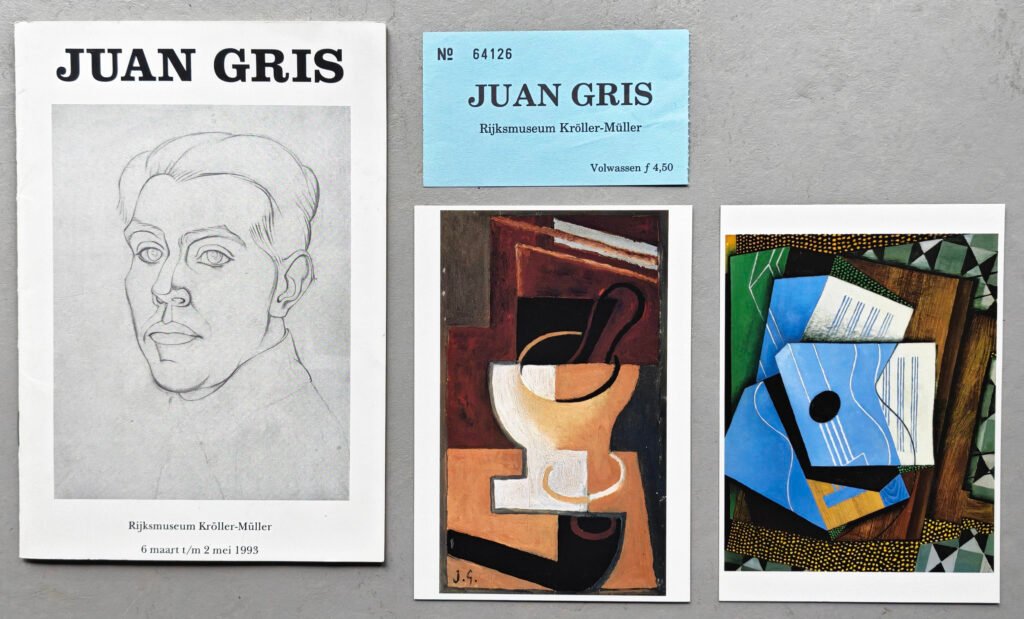
Juan Gris at the Kröller-Müller: Cubism in the Dutch Woods
Deep in the Hoge Veluwe National Park, far from the Parisian studios where Cubism was born, hangs one of the finest Juan Gris collections in Europe. It exists thanks to one woman’s eye.
Helene Kröller-Müller bought her first Gris in 1913, Still Life with Oil Lamp from 1912. It was also the first Cubist painting she had ever seen, and it took her completely by surprise. She described the depicted things as “objects of the earth, but wrested from the earth.” She kept buying, and in total acquired thirteen paintings and ten drawings by Gris.
Gris was born José González in Madrid in 1887. After moving to Paris in 1906 he adopted the name Juan Gris, thinking it better suited to a career as a caricaturist. Instead he fell in with Picasso’s circle and became one of Cubism’s central figures.
What sets Gris apart is his method. He called it deductive painting: he first laid down line, form and colour on the canvas, and only then worked out which recognisable objects could be found in that pattern. Where Picasso and Braque moved from the object toward abstraction, Gris built the structure first and let the objects emerge from it. The result is precise, ordered and often richly coloured.
The museum’s Guitar on a Table shows this clearly. Like his fellow Cubists, Gris loved musical subjects, and the Spanish guitar was his favourite. Look closely and you’ll notice the guitar has five strings instead of the usual six, and the musical staff has too few lines. These were deliberate choices to avoid a realistic, detailed rendering of reality. There is also a surprise on the reverse: Gris painted a second Cubist still life there, again with a guitar and a musical score. The side with the stretcher counts as the front.
The collection runs across his career. There are early works from 1912 such as Glass and Bottles, and The Fruit Bowl from 1914. Works on paper like Still Life with Bottle (1916) show how he worked in chalk and paint. A later canvas, Still Life with Lamp (1919), shows how his Cubism evolved after the early, more fragmented years.
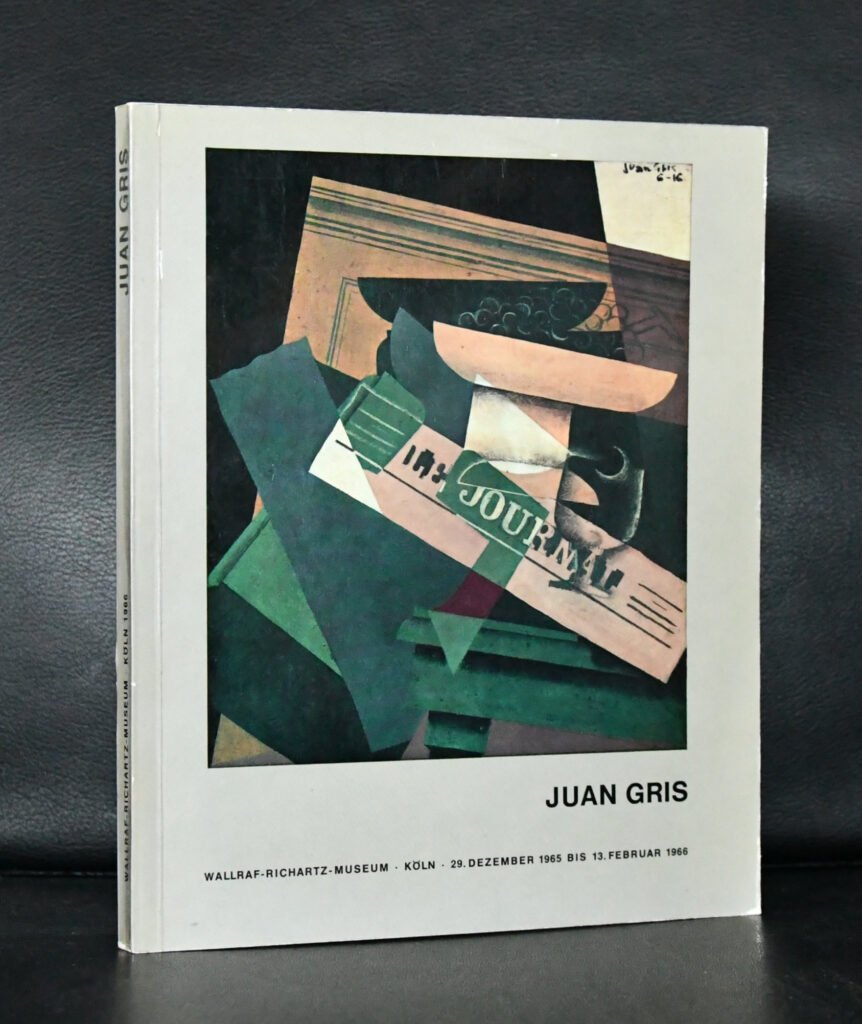
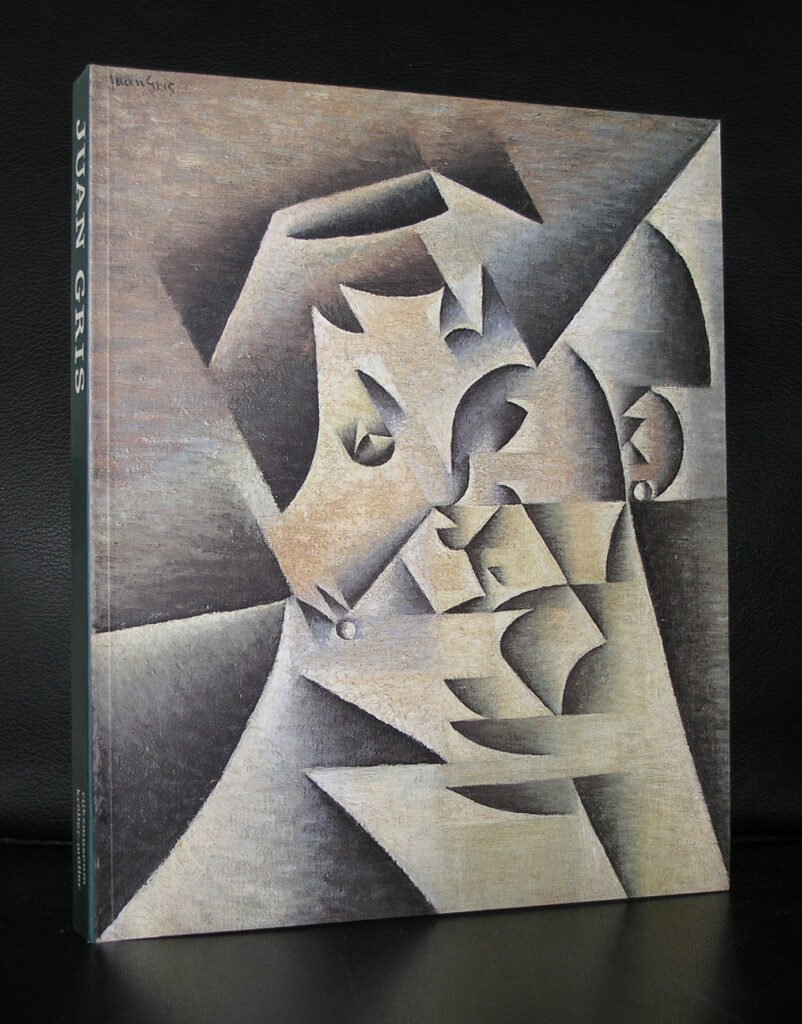
www.ftn-books.com has several Gris titles now available.
Share this post
- Tags: juan gris, kroller muller