Aart Klein
Posted by wilfried van den elshout on
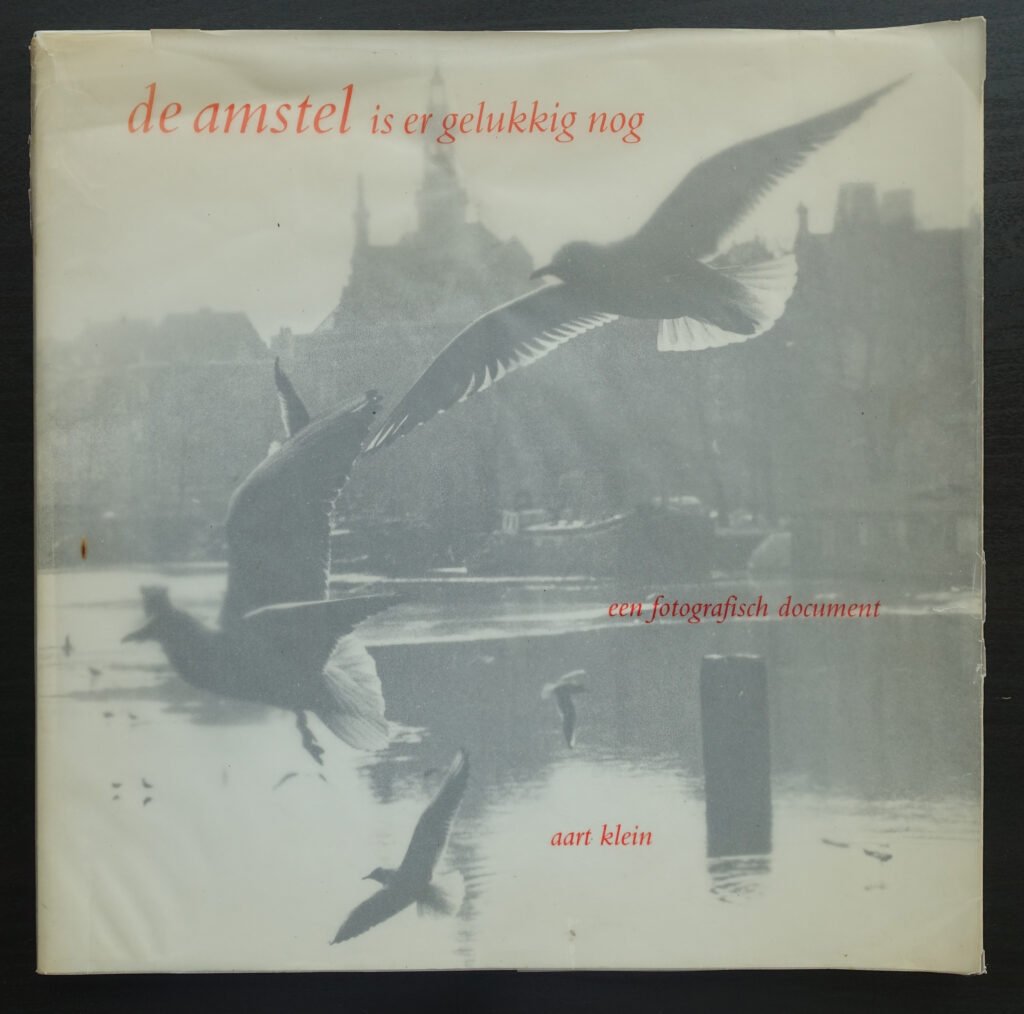
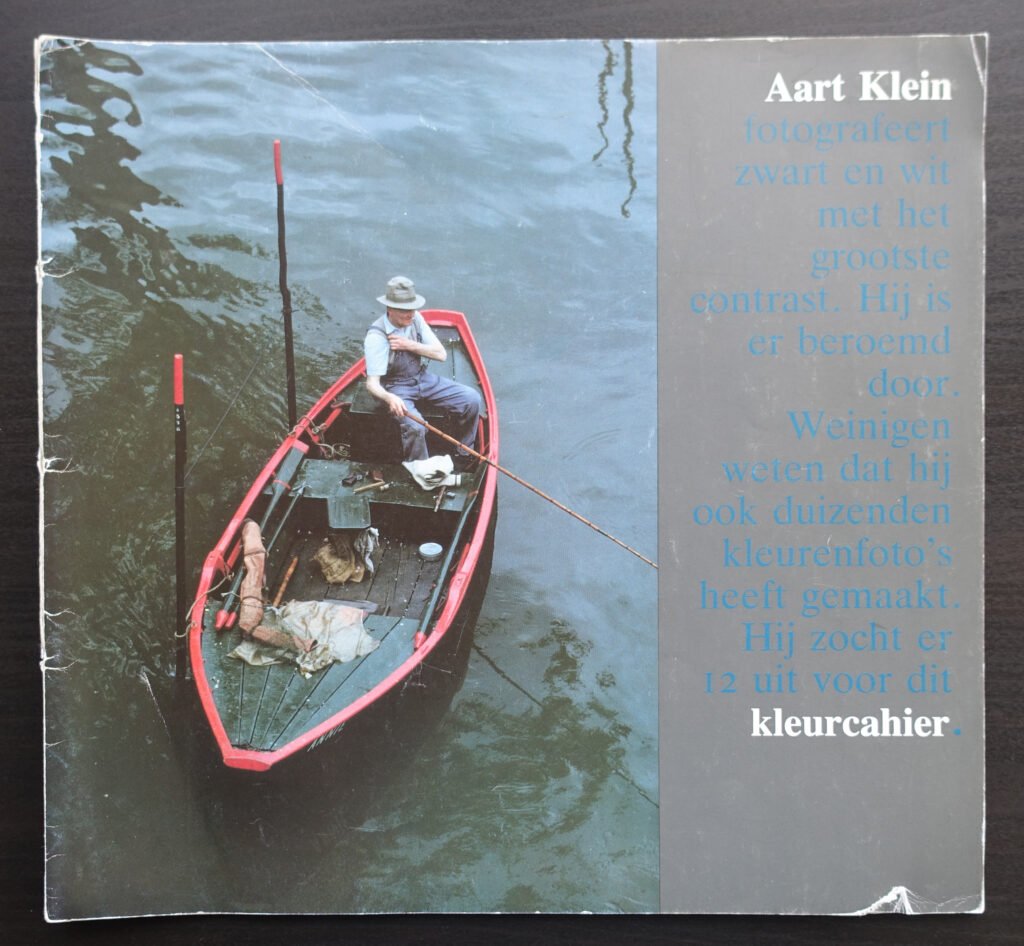
When you think of post-war photography, your mind might jump straight to the raw reportage of America or the poetic humanism of Paris. But in the Netherlands, a quiet revolution was unfolding, led by a group of photographers who traded studio portraits for the stark beauty of reality. At the heart of this movement was Aart Klein (1909–2001), a man who once said, "A good photo is not made with a good camera, but with good legs."
Klein wasn't just a photographer; he was a long-distance walker with a lens. His work—defined by dramatic contrast, sharp diagonals, and a profound sense of solitude—helped redefine Dutch photography, pulling it out of the pictorialist salon and into the raw, modern world.
Klein didn't operate in a vacuum. He was a key member of De Ondergedoken Camera (The Hidden Camera) , a collective of resistance photographers who documented the Nazi occupation of the Netherlands from 1944-1945. Working clandestinely was a baptism by fire, teaching these artists to capture fleeting truth without artificial staging. It forged a bond and an aesthetic.
After the war, this ethic took on a new name: Nieuwe Fotografie (New Photography) . Alongside contemporaries like Emmy Andriesse and Cas Oorthuys, Klein became a pillar of this movement. But while Oorthuys traveled widely, creating humanistic documentaries, and Andriesse explored vulnerable psychological portraiture, Klein’s focus was intensely graphic.
He shared his deepest kinship with Eva Besnyö, a Hungarian-Dutch photographer who shared his sharp, Bauhaus-influenced eye for geometry. Together, they moved in a circle that bridged the functional and the avant-garde, taking on commercial assignments but infusing them with a deeply personal, graphic sensibility.
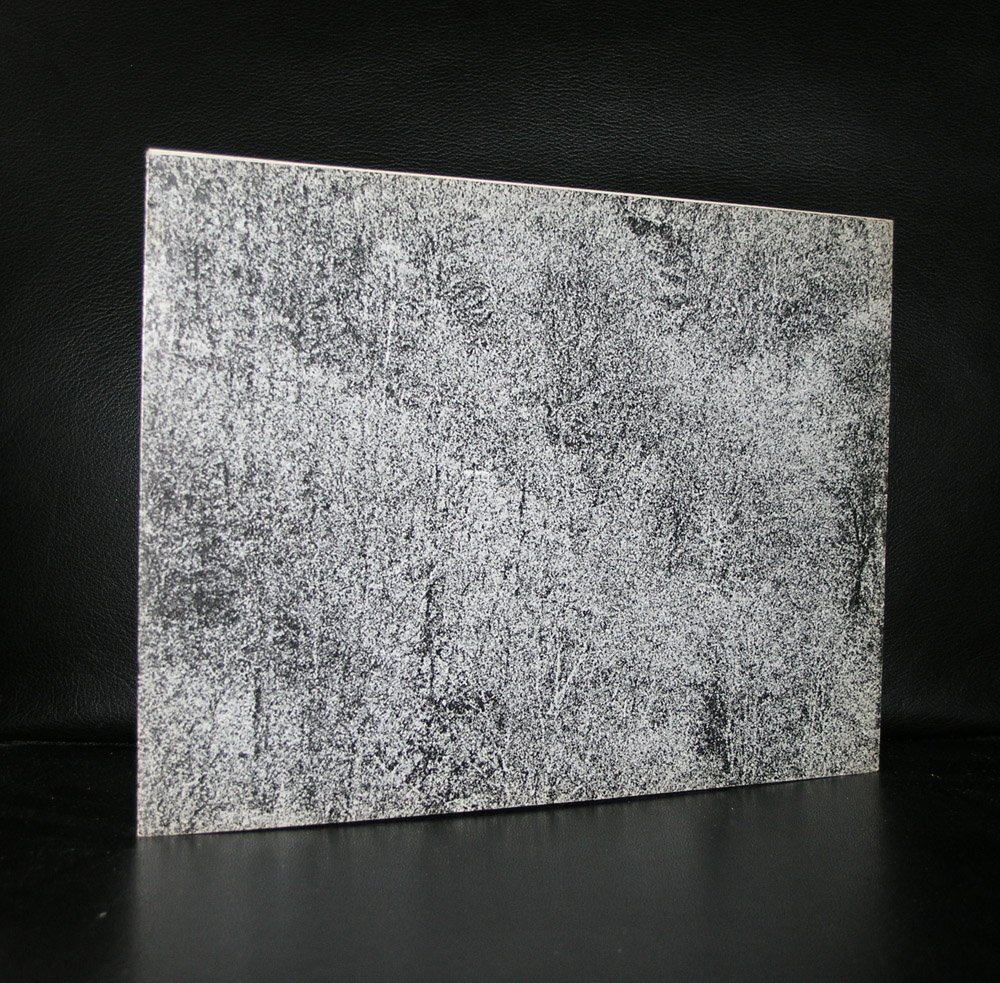
Klein’s signature subject was the Dutch landscape, but not the idyllic tulip fields we see on postcards. His landscape was one of harsh wind, endless horizons, and human figures reduced to tiny, lonely silhouettes. He found beauty in industrial structures, piers receding into the sea, and the graphic patterns of cracked earth or snow fences.
This aesthetic placed him in concert with the international Subjective Photography movement led by Otto Steinert, but Klein's work was always more grounded. He didn't just use the world as a material for abstraction; he used abstraction to reveal the soul of the Dutch environment—a flat land where the sky dominates and human presence is a negotiation with the elements.
What is Aart Klein’s influence today? You don't need to look far. In the contemporary work of Dutch landscape minimalists, you see Klein’s DNA everywhere. The way photographers like Bas Meelker or Theo Bos isolate a single tree in a field, using negative space as an active dramatic element, is a direct echo of Klein's compositions.
More importantly, Klein, Besnyö, and Andriesse broke the hierarchy between applied and autonomous photography. They proved that an assignment for a shipping company or a polder board could be, at the same time, high art. They gave future generations of Dutch photographers permission to find poetry in the mundane and the modern.
Aart Klein didn't chase news headlines. He chased light and shadow across the Dutch landscape, capturing a loneliness that feels, somehow, like home. He taught us that the most dramatic stage is often a stripe of sunlight on a wet dune, waiting for the right legs to walk into it.
www.ftn-books.com has some nice Klein publications available.
Share this post
- Tags: klein, photography