Richard Lindner
Posted by wilfried van den elshout on
The Mechanical Carnival: Richard Lindner in the Lowlands
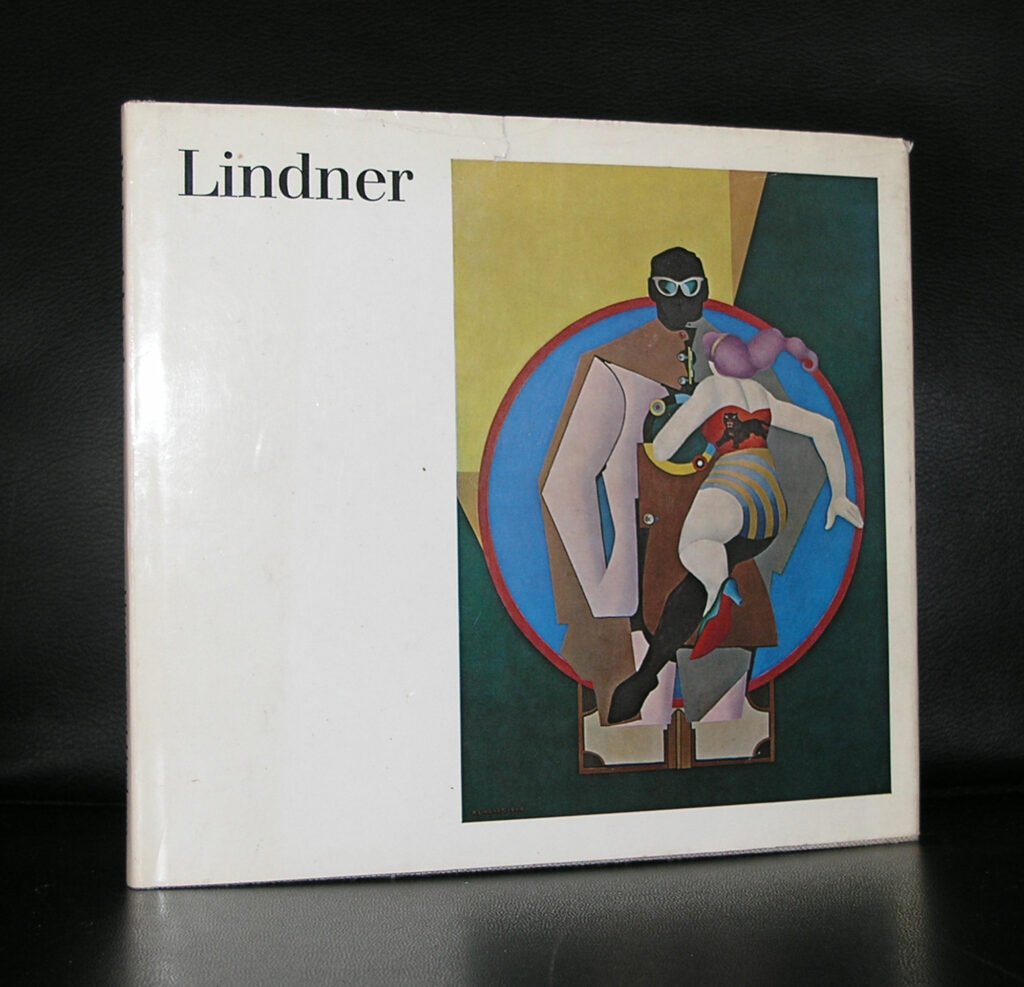
When you think of Pop Art, your mind likely jumps to the soup cans of Warhol or the comic strips of Lichtenstein. But there was another artist working in the same era, a refugee from Nazi Germany, who painted a far darker, stranger, and more seductive version of modern life. His name was Richard Lindner, and the Netherlands played a crucial role in cementing his legacy.
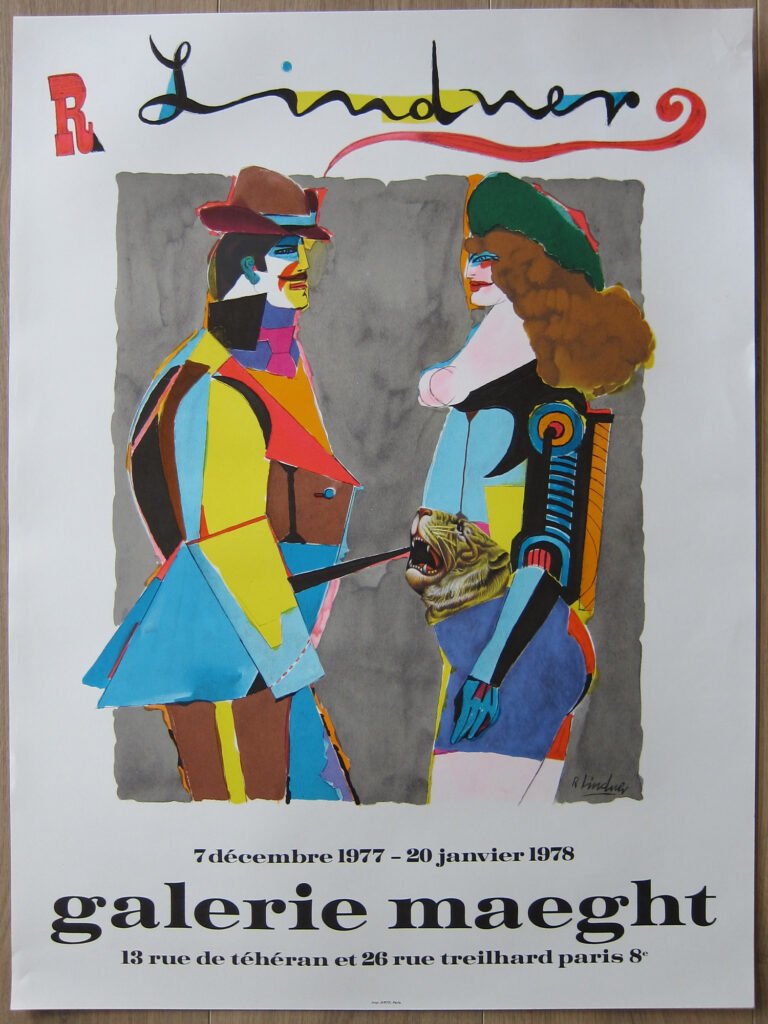
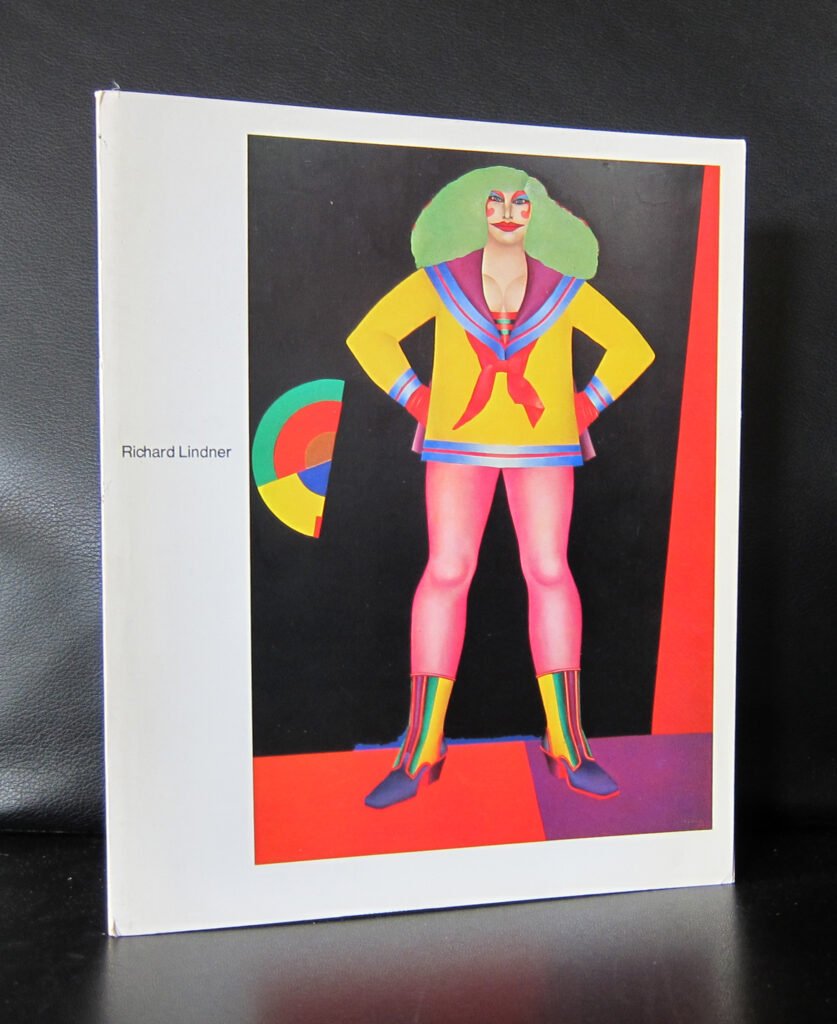
Born in Hamburg in 1901, Lindner fled Germany in 1933, eventually settling in New York. He didn’t have his first solo show until he was 51. But when he did, he unleashed a visual vocabulary that was entirely his own: a garish, neon-lit underworld populated by corseted women, gangsters in bowler hats, and children who look like knowing adults.
While Manhattan was his laboratory, the Netherlands became a vital showcase for his vision. Dutch institutions were early champions of his work, recognizing the European figurative tradition lurking beneath his American Pop veneer.
The most pivotal event was his major exhibition at the Stedelijk Museum Amsterdam in 1968. This wasn’t just a small gallery showing; it was a full-scale retrospective that introduced the Dutch public to his mechanical, erotic universe. Curated at the height of the swinging sixties, the Stedelijk show framed Lindner not as a follower of Pop, but as a bridge between the sharp objectivity of Weimar Germany’s Neue Sachlichkeit and the consumerist sheen of America. The contrast resonated deeply in the design-conscious culture of the Netherlands.
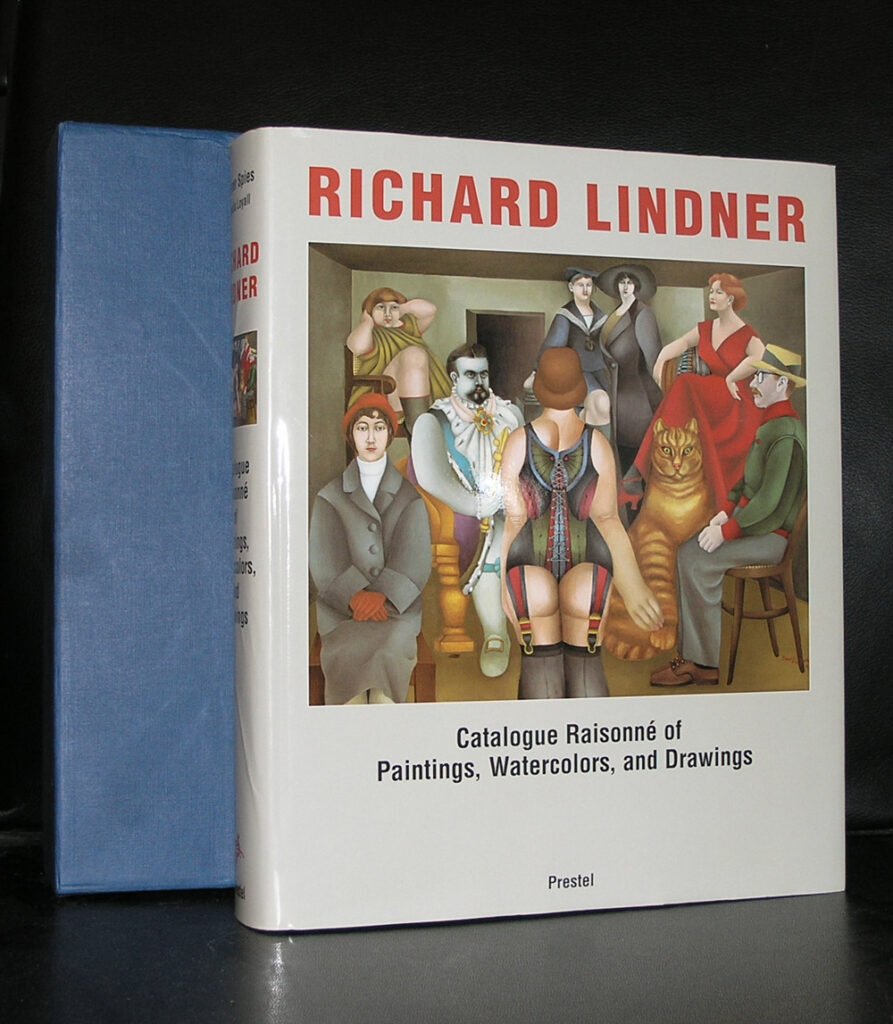
Lindner’s dialogue with the country didn’t end in the 60s. Perhaps the most comprehensive posthumous tribute occurred at the Museum Boijmans Van Beuningen in Rotterdam. The 2003 exhibition, Richard Lindner: Paintings and Watercolors, was a blockbuster. Rotterdam celebrated Lindner as a "painter of the grotesque," presenting over 70 works that traced his obsession with the human body as a geometric, armored machine. The Boijmans exhibition emphasized his intense watercolors and drawings, revealing the meticulous hand behind the seemingly flat, graphic style.
At first glance, Lindner’s women look like fetishized mannequins. The men look sadistic and impersonal. It’s a carnival of power games rendered in Day-Glo orange and crimson red. But to view Lindner is to understand the loneliness of the city.
His Dutch exhibitions highlighted that he wasn’t just drawing costumes; he was drawing people trapped inside a societal masquerade. Walking through the Stedelijk in ’68 or Boijmans in ’03, visitors didn’t just see paintings—they saw a reflection of an increasingly industrialized, commodified world.
In a time when our identities are more constructed than ever, Lindner’s ice-cold, leather-clad figures remain a mirror we can’t look away from.
www.ftn-books.com has several iconic Lindner items now available