Genevieve Claisse
Posted by wilfried van den elshout on
If you’ve ever stood before a painting that hums with such perfect balance it feels like a visual tuning fork, you might have been in the presence of a Geneviève Claisse. While French modern art often conjures the loose brushstrokes of Impressionism or the emotional chaos of Art Informel, Claisse chose a different path — one of razor-sharp lines, electric color, and an almost musical geometry. Her work is not just a footnote to abstraction; it’s a bold, vibrant chapter that proves rigor can be deeply joyful.
Born in 1935 in the north of France, Claisse’s artistic destiny seemed written in the family tree. Her great-uncle was Auguste Herbin, the towering figure of geometric abstraction and co-founder of the Abstraction-Création group. But Claisse wasn’t content to simply inherit a style. After an early career in journalism and literature, she picked up a brush in her twenties under Herbin’s direct mentorship, and something clicked. She had found her native tongue: a visual language built from circles, triangles, and a palette that could pulse or soothe.
Where Herbin developed a famously codified “alphabet” of shapes and colors, Claisse pushed toward a more lyrical, spatial freedom. She took the same fundamental building blocks — the pristine edge, the optical shimmer — and made them dance. By the 1960s, she was exhibiting alongside the titans of Op Art and kinetic abstraction, yet her voice remained distinctly her own. Claisse’s canvases are not cold mathematical exercises; they are conversations between stillness and movement, where a crisp black line might slice through a sunburst of orange to create a sense of boundless depth.
So why is Geneviève Claisse important for French modern art? In a post-war era that often celebrated the gestural and the tragic, she fearlessly advocated for the power of structure. She demonstrated that abstraction didn’t need to abandon the harmony and pictorial beauty pioneered by earlier modernists — it could evolve them. As a woman in a male-dominated geometric abstraction scene, she also carved out a quiet but undeniable space, influencing generations of artists who see geometry not as a cage, but as a launchpad for emotion.
Genevieve Claisse painted until her death in 2018, leaving behind a body of work that feels more contemporary than ever. In an age of digital precision and visual noise, her paintings remind us to look for the rhythm in simplicity. She didn’t just continue the legacy of French geometric art; she tightened its focus and flooded it with light, proving that a perfect circle can hold as much feeling as any sweeping brushstroke.
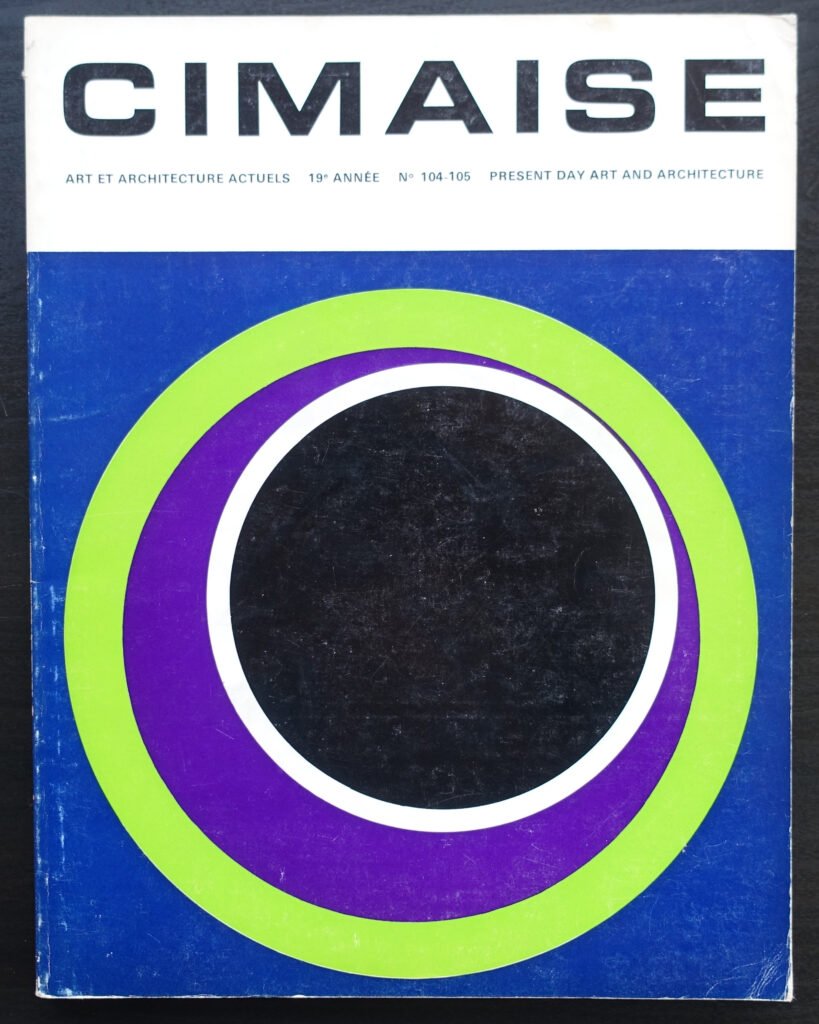
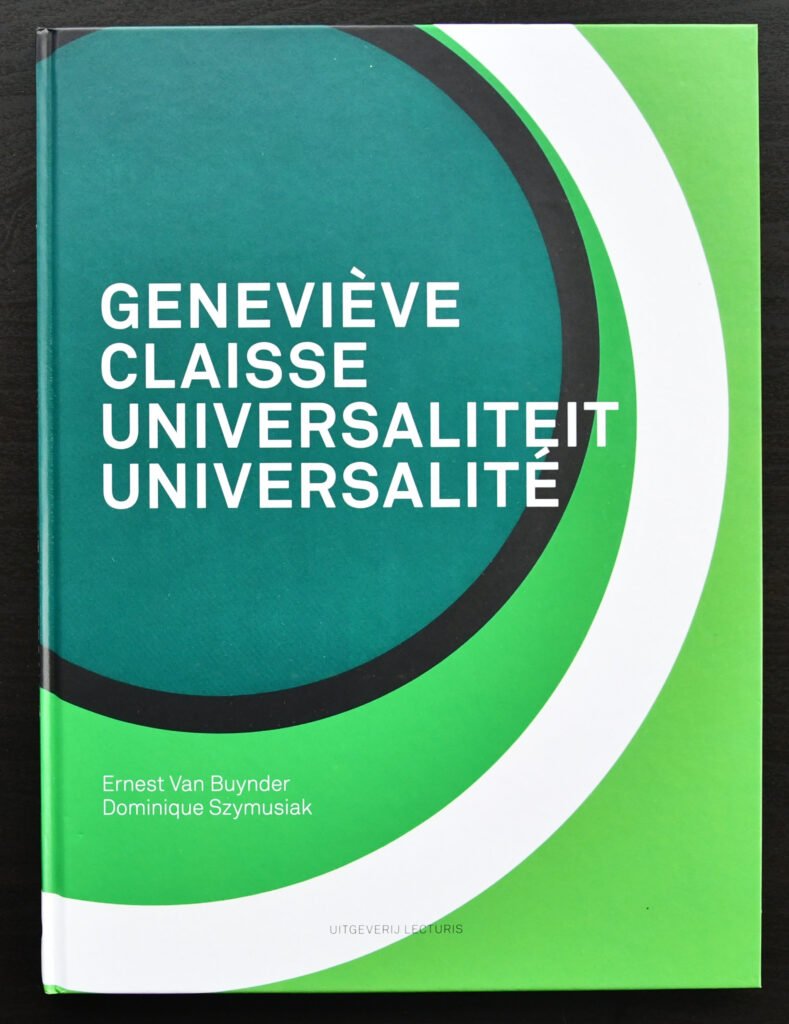
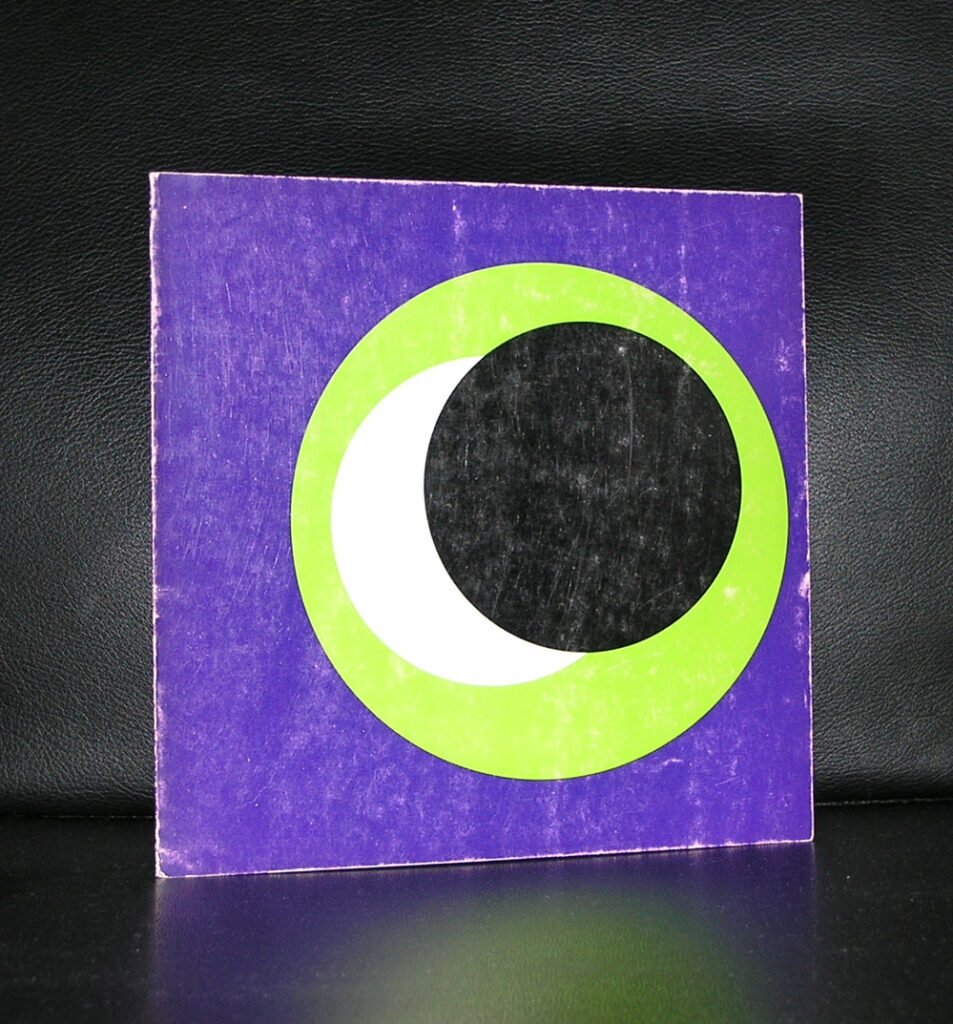
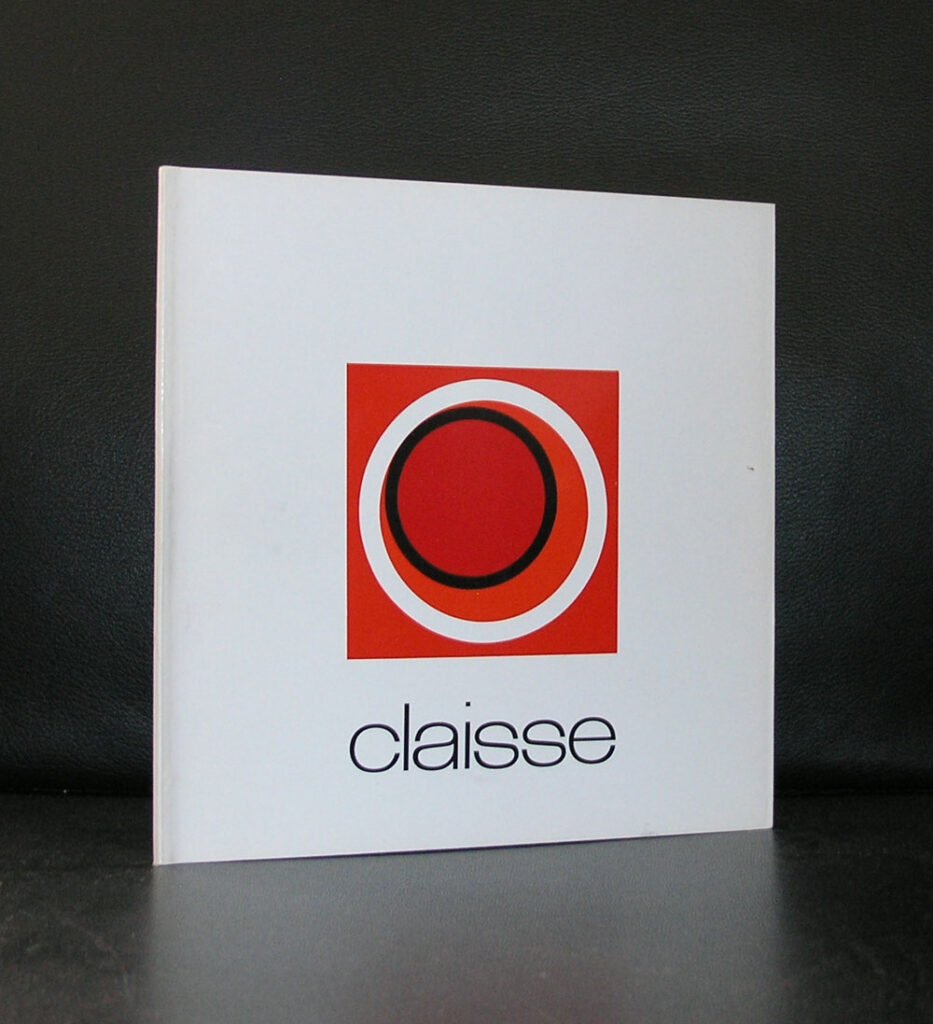
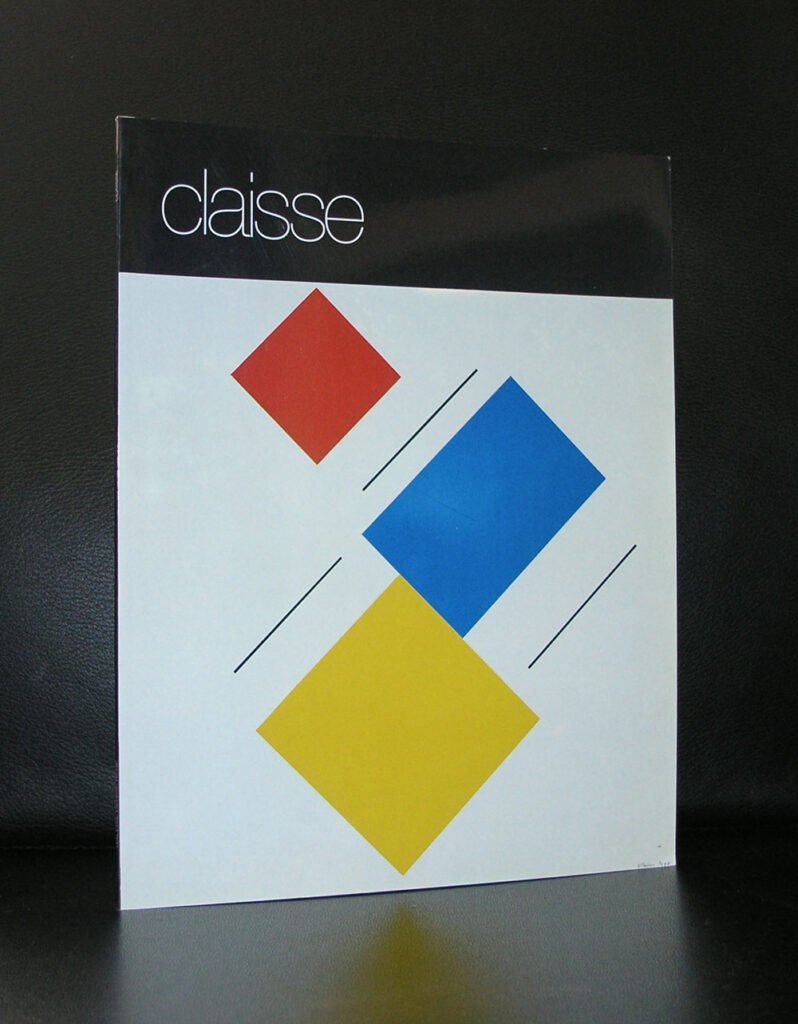
www.ftn-books.com has several Claisse publications now available.
Share this post
- Tags: claisse