Tate Modern
Posted by wilfried van den elshout on
From Power Station to Palace of Art: The History of Tate Modern
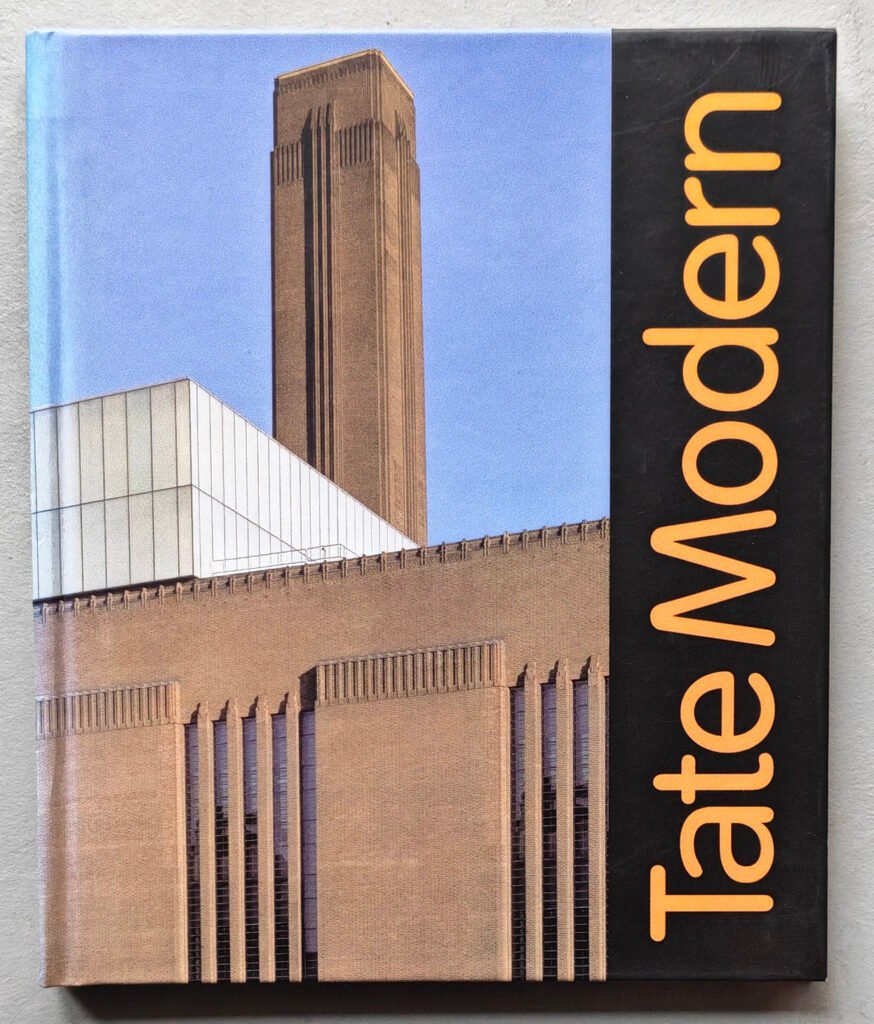
On the south bank of the Thames, directly across the river from St Paul's Cathedral, a vast brick building rises with a single square chimney pointing at the London sky. Today it is one of the most visited modern art museums in the world. For most of its life, though, it had nothing to do with art at all. This is the story of how a power station became Tate Modern.
The building began life as Bankside Power Station, designed by Sir Giles Gilbert Scott, the architect behind Battersea Power Station and the classic red telephone box. Construction took place in two phases, the first from 1947 to 1952 and the second from 1960 to 1963. Scott's design was famously restrained: a monumental brick body with a central chimney, deliberately kept to a height that would not overshadow St Paul's across the water.
Bankside generated electricity for London for less than two decades. Rising oil prices made it uneconomical to run, and it closed in 1981. What followed was a long limbo. The enormous building sat empty on the riverbank, and for years nobody knew what to do with it. Demolition was a real possibility.
Meanwhile, the Tate had a problem of its own. The Tate Gallery, founded in 1897 on Millbank, had grown into a collection of both historic British art and international modern art, far more than one building could display. The institution had already expanded beyond London, with Tate Liverpool opening in 1988 and Tate St Ives in 1993, but the central question remained: where could the national collection of modern and contemporary art finally have room to breathe?
In 1994, the Tate announced that Bankside Power Station would become its new home for international modern and contemporary art. The older Millbank building would keep its focus on British art, eventually becoming Tate Britain.
An international competition drew some of the most celebrated architects in the world. In 1995, the Swiss practice Herzog & de Meuron won. At that point they were not yet household names, and their winning idea was notable for what it did not do. Rather than clad or disguise the old building, they chose to respect and work with its industrial character. The exterior remained largely as Scott had left it, with a light-filled glazed structure added on the roof, a beam of light that glows at night.
The heart of the building was the former Turbine Hall: roughly 155 metres long and 35 metres high. Instead of subdividing this extraordinary space, the architects left it open as a public entrance and a stage for large-scale art.
Tate Modern opened to the public in May 2000, part of the wave of millennium projects that reshaped London. The new Millennium Bridge, linking the gallery to St Paul's, opened the same summer. It was briefly closed after crowds discovered it swayed alarmingly underfoot, earning it the nickname the "Wobbly Bridge" before it was fixed and reopened in 2002.
The gallery's popularity was immediate and far beyond expectations. It was designed for around two million visitors a year and drew roughly double that in its early years. It also helped transform Bankside, an area that had been one of London's more neglected stretches of riverfront, into a thriving cultural district.
The Turbine Hall quickly became the gallery's signature space, with a yearly series of large-scale commissions. Louise Bourgeois's towering spider sculpture Maman greeted visitors in the early days. In 2003, Olafur Eliasson's The Weather Project filled the hall with an artificial sun and a mist-laced haze, and visitors lay on the floor looking up at their own reflections in the mirrored ceiling. In 2007, Doris Salcedo's Shibboleth opened a long crack across the concrete floor. These works helped define the idea of the museum as a place for experience as much as for looking.
Success created its own pressure. The building was crowded and the Tate's ambitions had grown, so a major expansion followed. Herzog & de Meuron returned to design a new ten-storey extension, rising behind the old power station and echoing its brick materials with a twisting, perforated lattice. The earlier phase of the project opened the former oil tanks as spaces for live art and performance in 2012, and the full extension opened in June 2016. It was later renamed the Blavatnik Building. The expansion added galleries, performance spaces and a viewing level with views across London, and it significantly increased the space available to display the collection
Tate Modern now ranks among the most visited art museums on the planet, welcoming millions of people every year, and it has changed how institutions think about reusing industrial buildings. Its approach has often been imitated: rather than demolishing the past, keep the bones and give them a new purpose.
It also shifted how the public relates to contemporary art. Free admission to the permanent collection, a huge open entrance hall and a mix of famous and unfamiliar names made modern art feel less like a specialist pursuit and more like a part of everyday city life.
From smoke and turbines to Rothko and Picasso, the building has had two lives, and both left their mark on London's skyline. The chimney that once carried the exhaust of a power station now stands for something quite different: a landmark of how a city can reinvent its past.
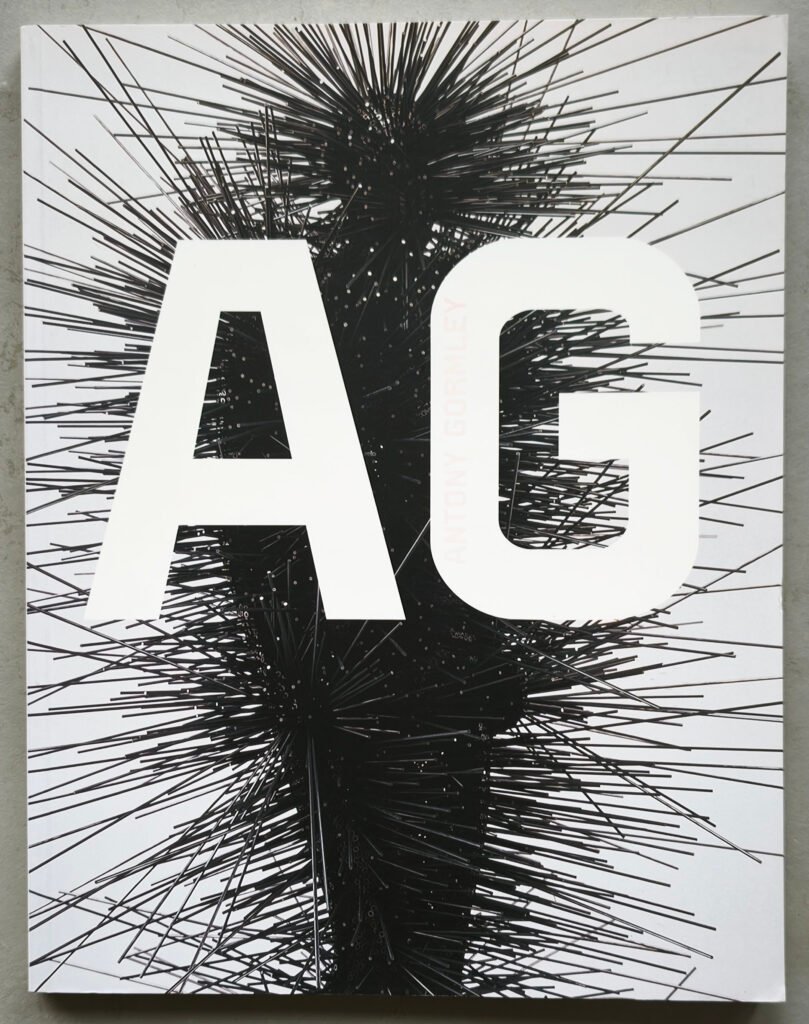
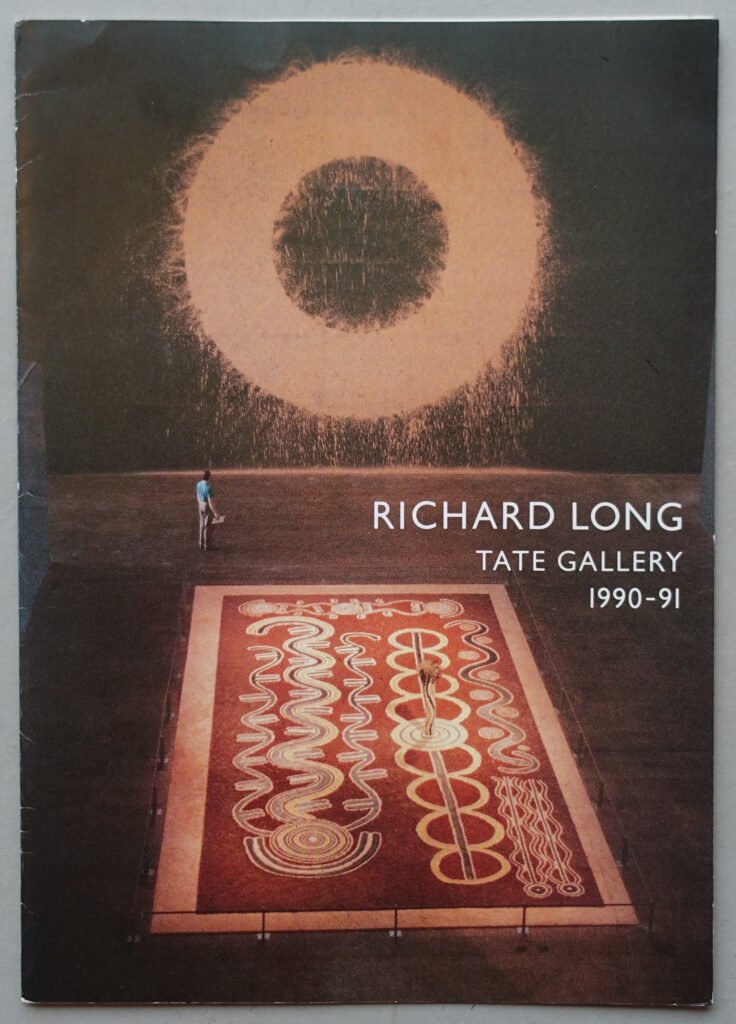
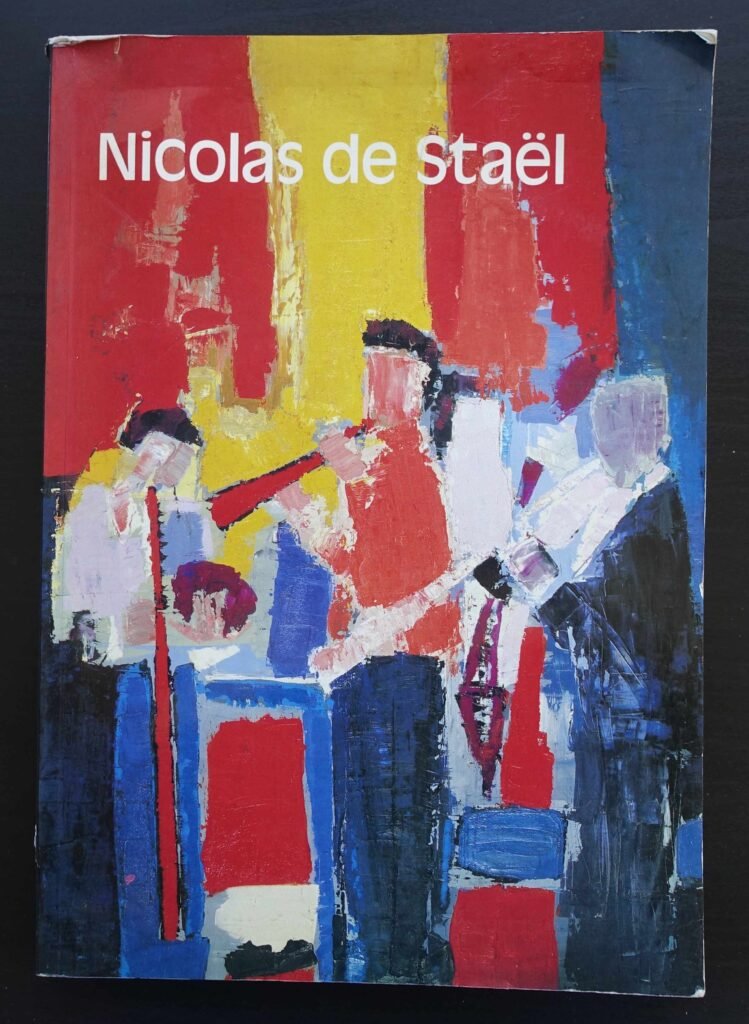
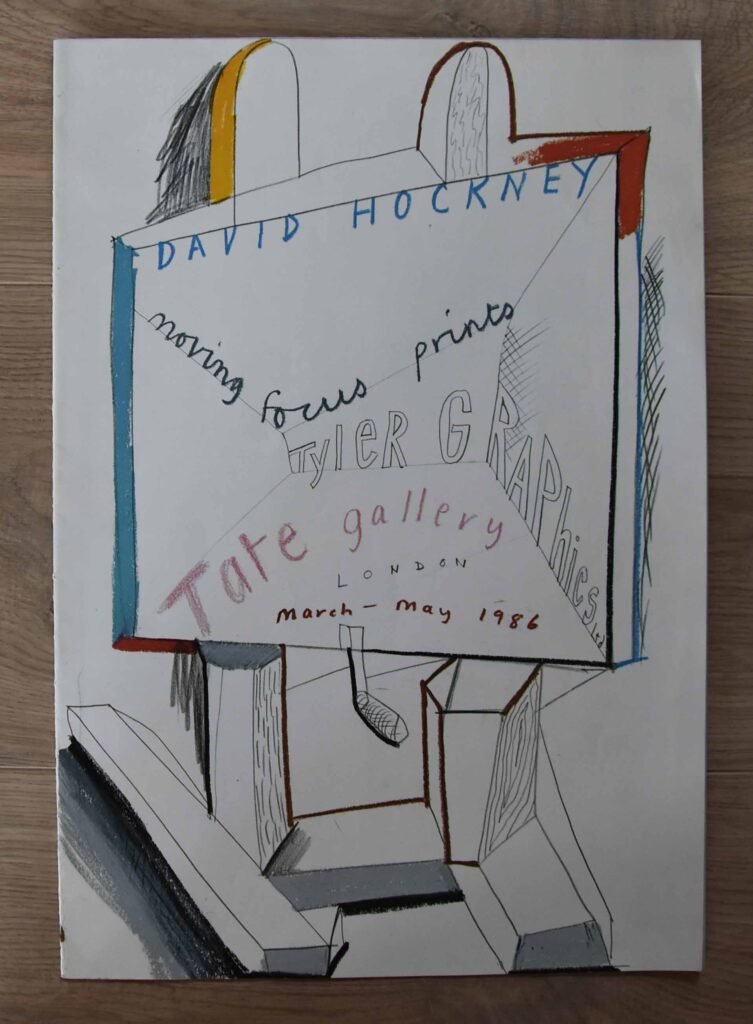
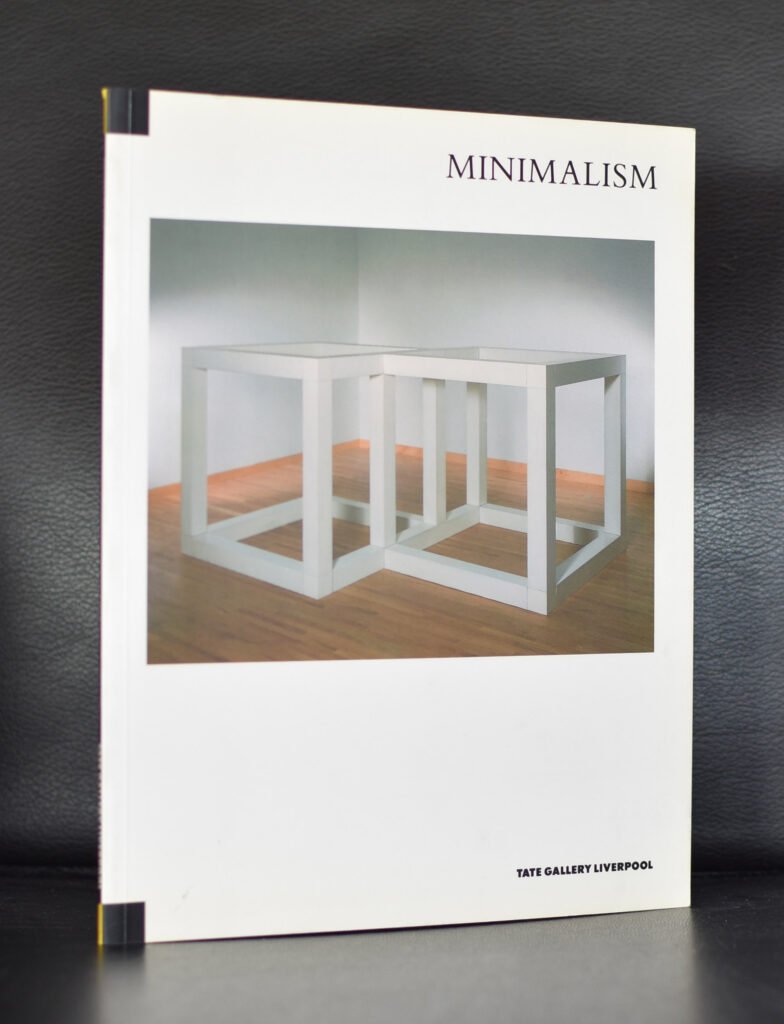
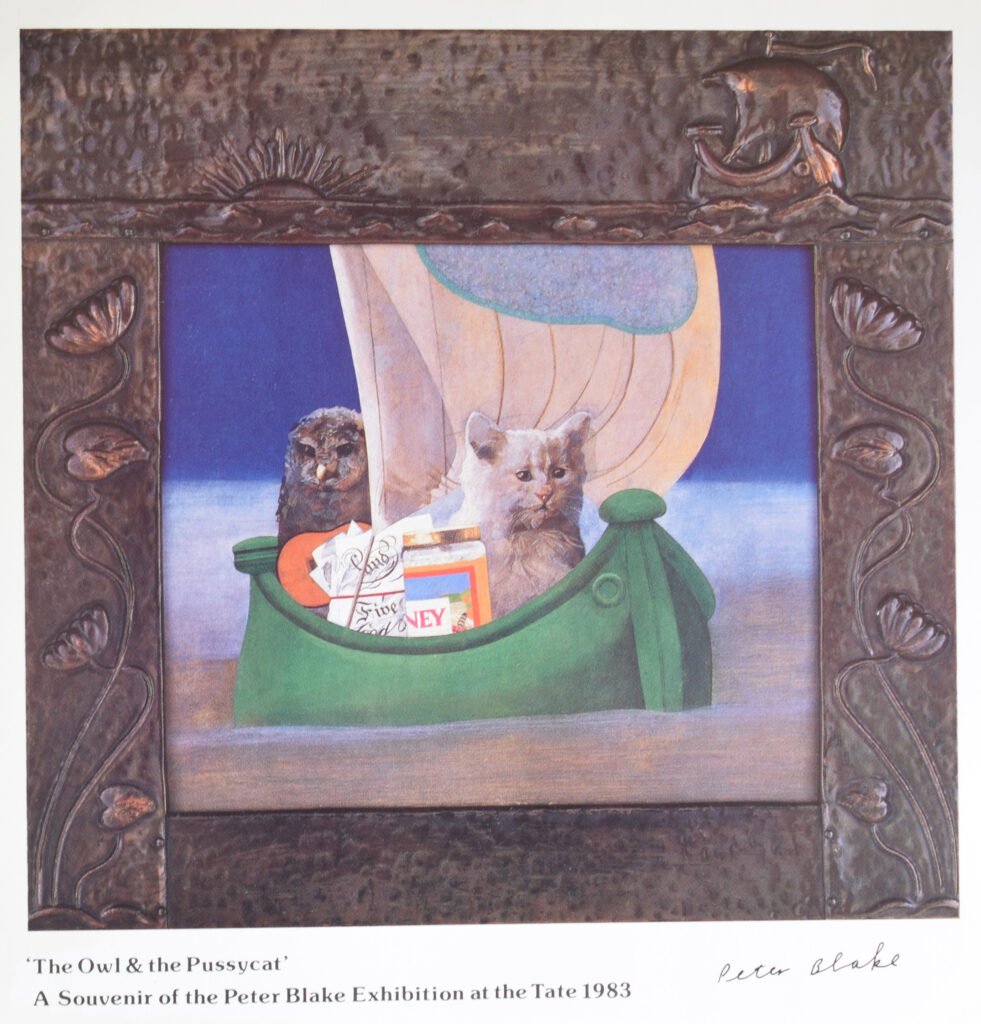
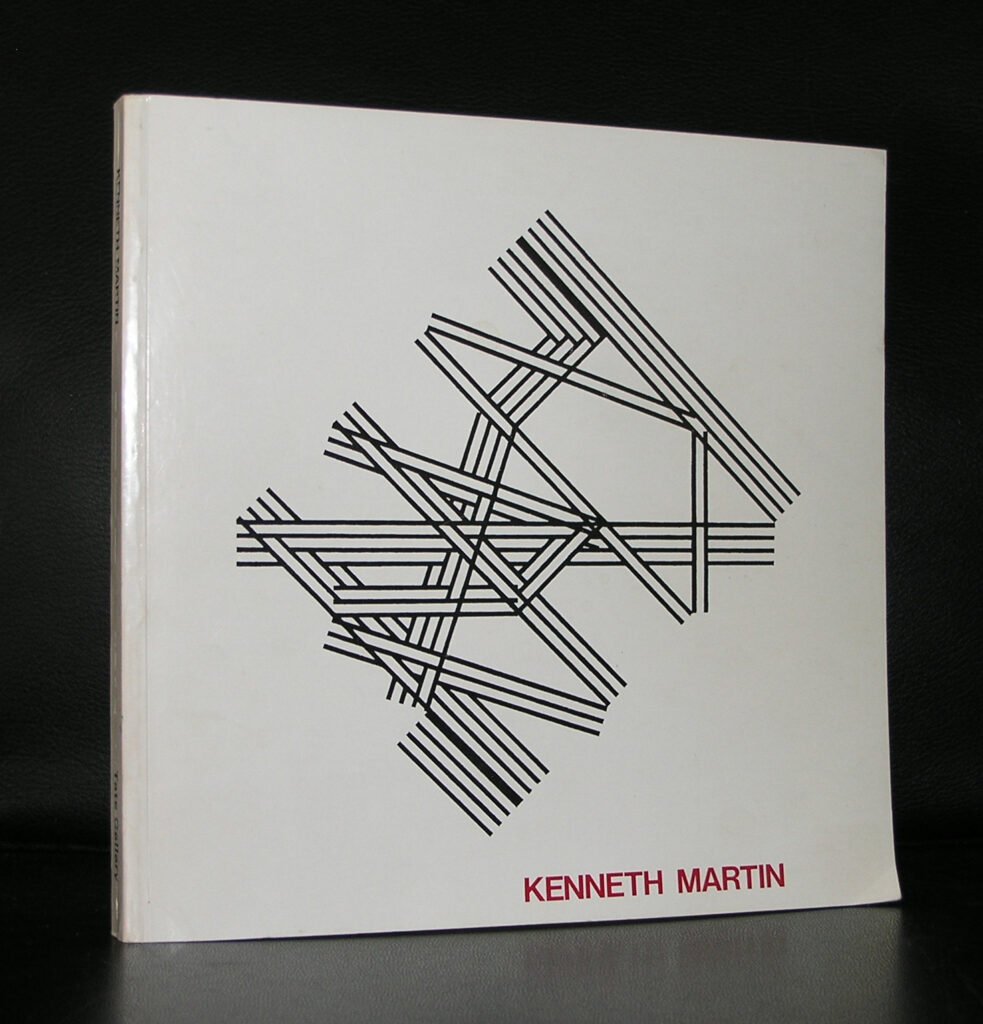
Beside many Tate publications , www.ftn-books.com also has the firts guide publication now available. A true collectors item because of its design.