Robin Winters in Europe
Posted by wilfried van den elshout on
Robin Winters: An American Conceptualist in Europe
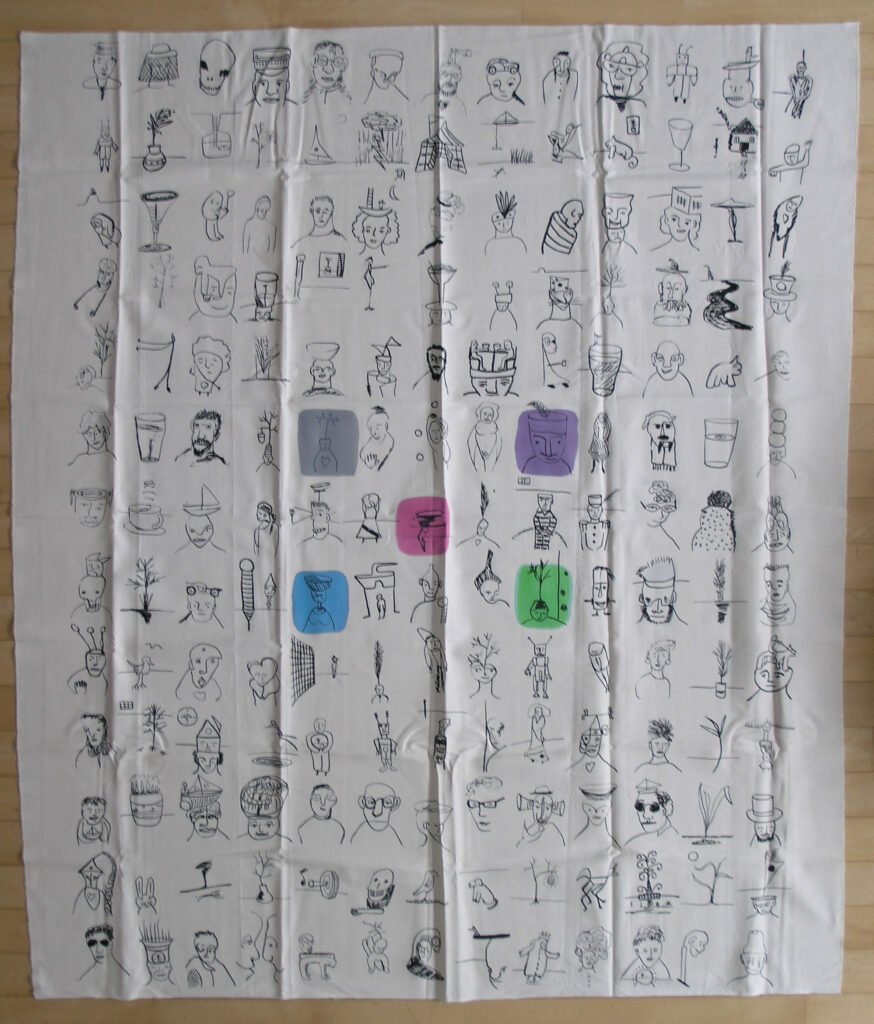
Robin Winters was born in 1950 in Benicia, California. He is known for solo exhibitions that include an interactive, durational performance component, sometimes lasting up to two months. His work is often described as an early example of Relational Aesthetics, and he has used blind dates, dinners, fortune telling and free consultations as part of his art. Faces, boats, cars, bottles, hats and the fool recur in his
His European story starts early. Through 1975 and 1976 he traveled across Europe and North Africa. In 1975 he showed a solo exhibition at the Konrad Fischer Gallery in Düsseldorf, titled Dedication to the Man Whose Main Job Was Testing Whistling Tea Kettles. Fischer’s gallery was one of the key European venues for conceptual and minimal art, which made it a fitting place for an American conceptualist to show.
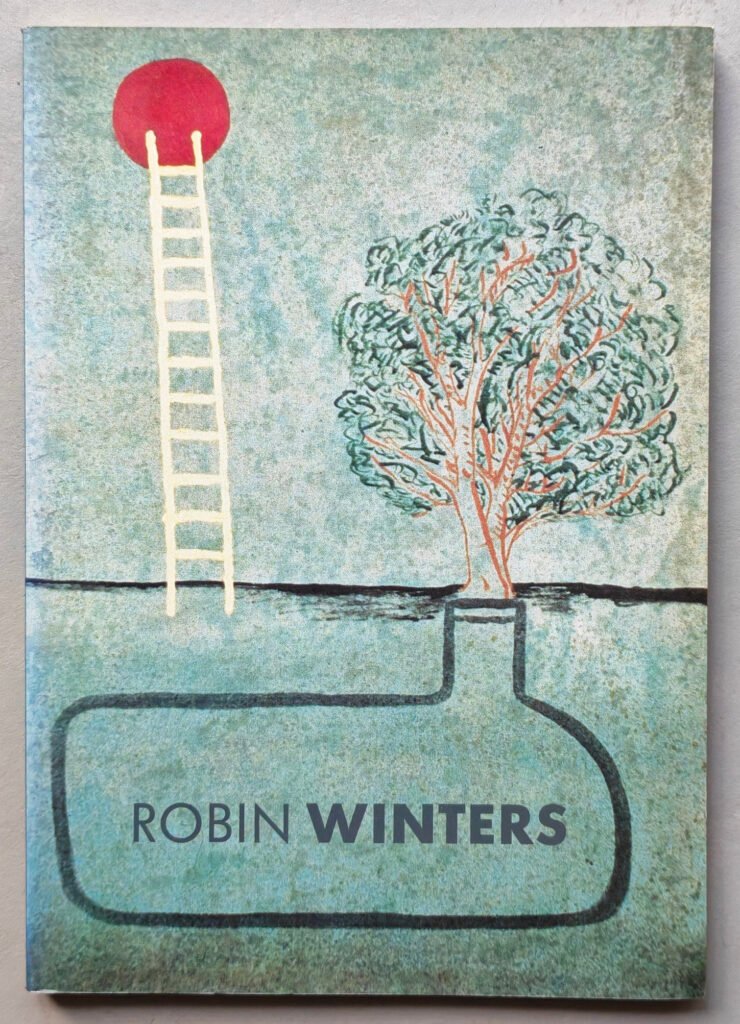
Library records point to a continuing European presence through the 1980s. They list a catalogue for a 1987 show at the Centre régional d’art contemporain Midi-Pyrénées in Labège, in France. They also list a joint publication with Adamski (Winters/Adamski: Mister Flokati) and a work with German artist Walter Dahn, which suggests he moved comfortably in the European art world. In the same period he was also in demand as a collaborator. He designed stage sets for the singer Nico and assisted the French artist Orlan.
His European work also extended into new materials. After a visiting-artist stint at the Pilchuck Glass School, Winters, with artists John Drury and Tracy Glover, traveled to Liège, where they realized his work with two master glassblowers in six weeks. The project shows how his practice, which already ranged across performance, printmaking and sculpture, grew to include glassblowing. 1stdibs
Winters’ European career wasn’t a single move abroad. He returned to Europe repeatedly for gallery shows, institutional exhibitions, collaborations and fabrication projects. His participatory, humorous, audience-centered approach also anticipated ideas that would become widely discussed in European art in the 1990s.
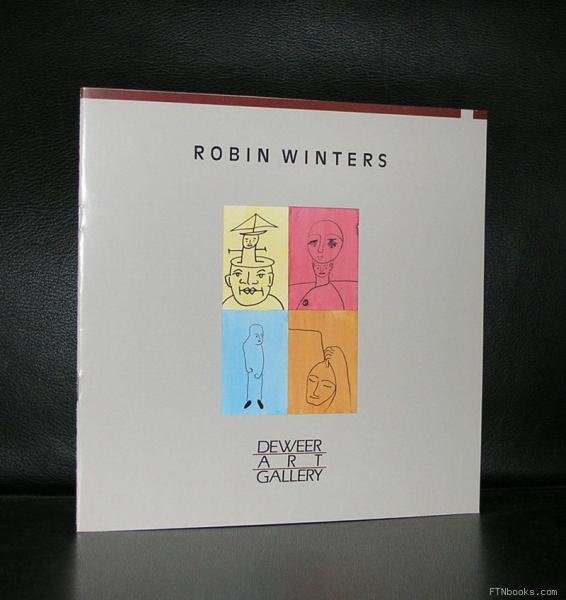
www.ftn-books.com has several important publications and multiples now available.

Share this post
- Tags: Robin Winters