Marcelle van Hanselaar
Posted by wilfried van den elshout on
In a contemporary art world often dominated by slick digital mediums, hyper-polished aesthetics, and conceptual irony, the work of Dutch artist Marcelle Hanselaar hits like a gut punch.
Born in Rotterdam and long based in London, Hanselaar is one of the most vital, unflinching figurative artists and printmakers of our time. She belongs to a lineage of artistic truth-tellers who refuse to sanitize the human condition. To look at a Hanselaar painting or etching is to step into a psychological theater where power, vulnerability, sex, and violence collide.
Here is why Marcelle Hanselaar remains such an essential, enduring voice in contemporary art.
First and foremost, Hanselaar is a master craftsman. In an age of instant gratification, she chooses the grueling, chemical, and tactile process of etching and aquatint. Her work sits comfortably in dialogue with historic titans: the nocturnal dread of Francisco de Goya, the raw social satire of William Hogarth, and the biting trauma of Otto Dix. In series like The Crying Game and Walking the Line, she proves that the centuries-old medium of printmaking is still the sharpest tool for exposing modern anxieties.
Historically, female figures in Western art have been passive: the saint, the temptress, the victim, or the muse. Hanselaar completely dismantles this. Her women are raw, aging, feral, complicated, and entirely in possession of their own agency. They wrestle with beasts (both literal and metaphorical), confront their own desires, and bare their teeth. Alongside artists like Paula Rego, Hanselaar has been instrumental in carving out space for the darker, more untamed realities of the female experience.
Hanselaar does not look away from conflict—whether it is the domestic battlefield of a failing relationship or the geopolitical horrors of war. Influenced by childhood memories of post-WWII Rotterdam and the psychological theories of Carl Jung, she explores the "shadow"—the parts of humanity we prefer to sweep under the rug. Her works tackle taboo subjects: predatory instincts, shame, grief, and power dynamics. Yet, remarkably, she infuses these dark tableaus with a streak of biting black humor and profound empathy.
With her work housed in premier institutions worldwide—including the British Museum, the Metropolitan Museum of Art, and the Rijksmuseum—Hanselaar’s legacy is undeniable.
Ultimately, Marcelle Hanselaar is important because she rejects comfort. She reminds us that the purpose of great art is not simply to decorate a wall, but to hold a mirror up to our collective subconscious. In a fractured world, her shadowy, beautifully brutal prints give us permission to confront the monsters in the dark—and realize they look an awful lot like us.
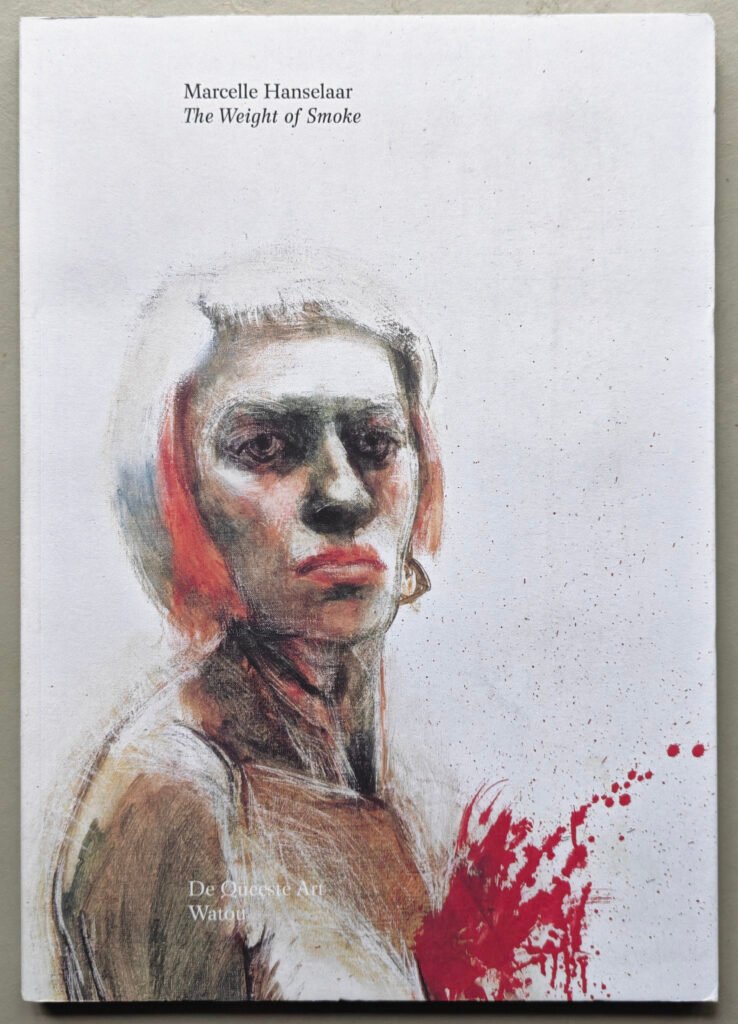
www.ftn-books.com has the 2007 Queeste published book now available.
Share this post
- Tags: hanselaar, marcelle van Hanselaar