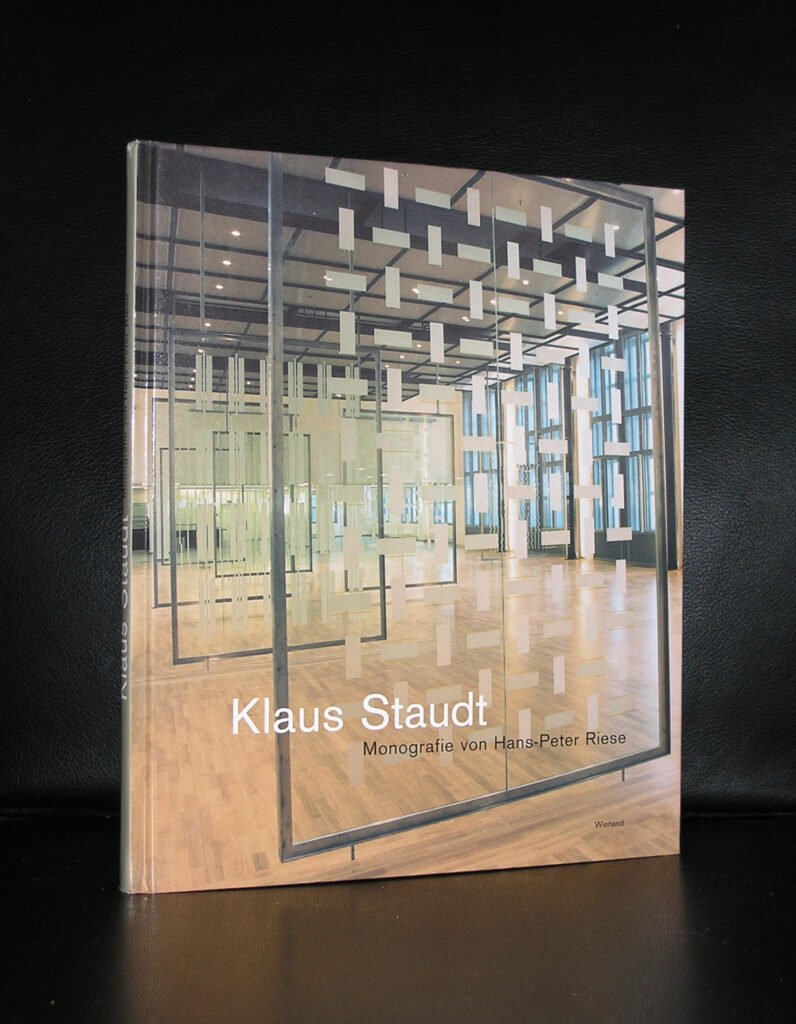
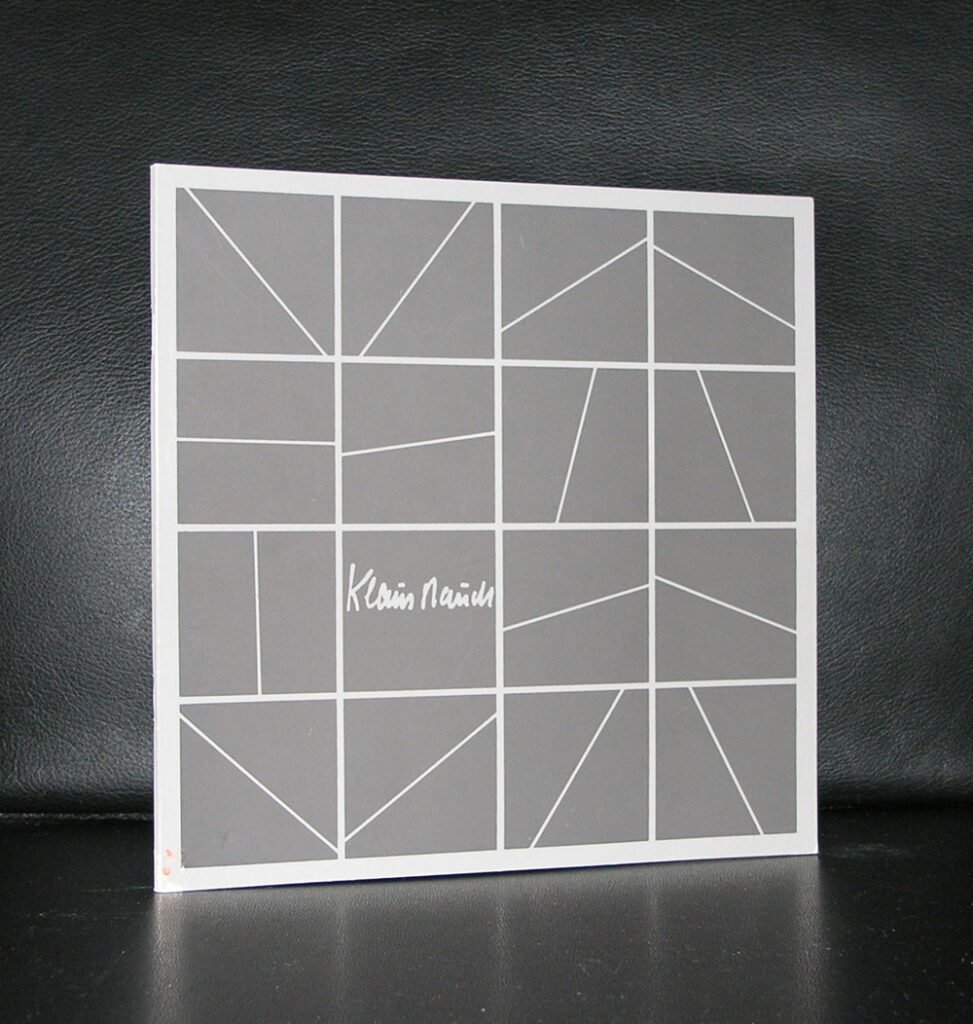
Klaus Staudt
Posted by wilfried van den elshout on
Klaus Staudt: A Quiet Force in German Art
Some artists make an immediate impression through colour, gesture or grand subject matter. Klaus Staudt works differently. His art asks us to look closelyand then to look again. Through subtle changes in light, shadow and space, he transformed simple geometric forms into experiences that shift as we move around them. That achievement is one reason he stands among the most important German artists of his generation.
Born in 1932, Staudt became a leading figure in postwar German Concrete Art, a movement that embraced clarity, geometry and carefully considered structure. But his work is not simply about arranging shapes according to a formula. It explores what happens when those shapes meet real space and when a viewer encounters them.
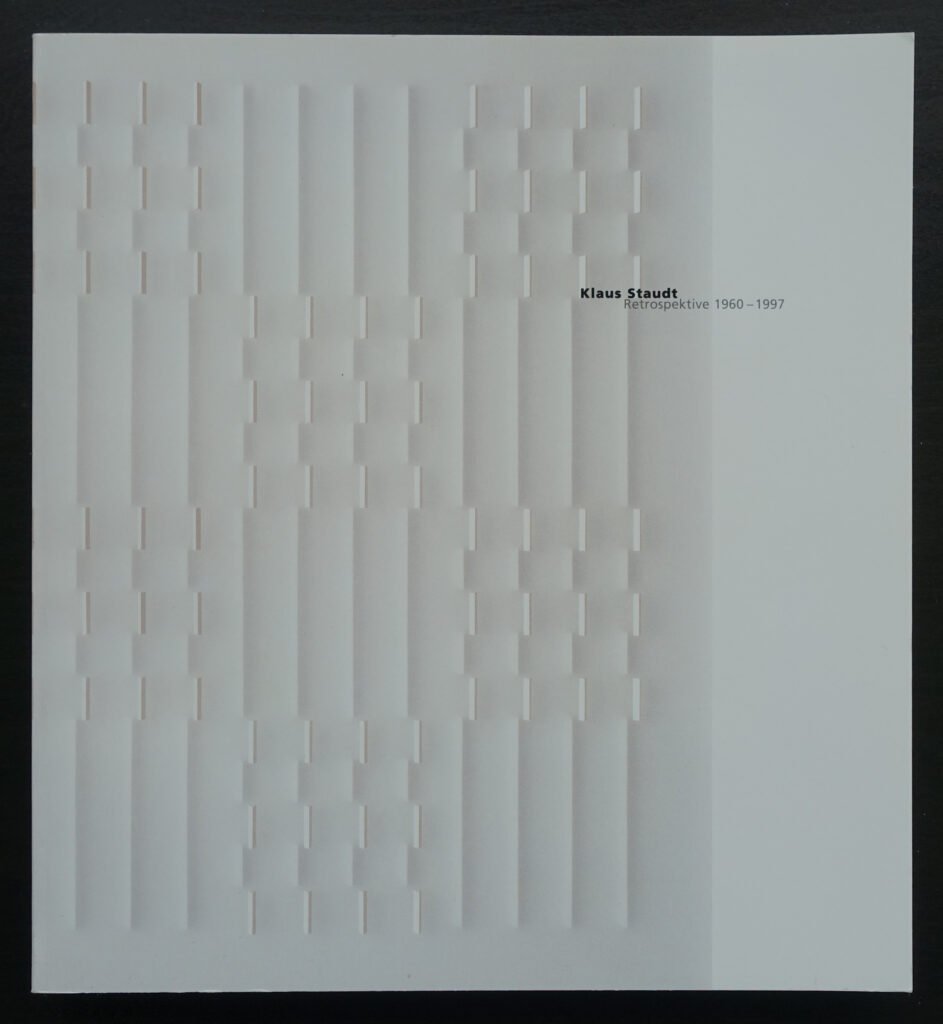
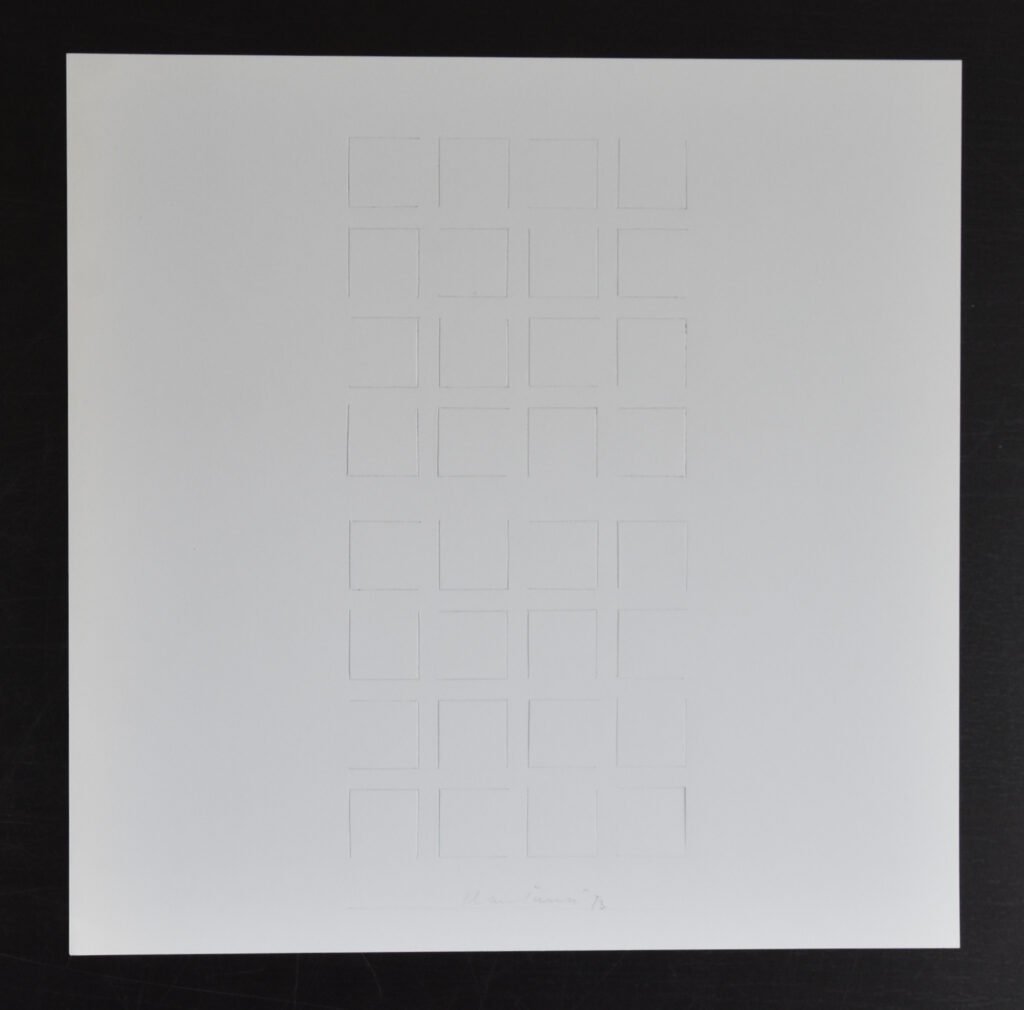
Many of Staudt’s works are built as reliefs: structured surfaces made from repeated elements, often in restrained colours. Their patterns may appear orderly and precise, yet they are never entirely still. Light catches on an edge; a shadow deepens between forms; a small change in viewpoint alters what we see.
The work does not depict light or movement as a picture might. Instead, it makes them part of the artwork itself. The viewer’s movement matters, too. A Staudt relief can look different from one side of a room than it does from another. Looking becomes an active process.
That quality gives his art an unusual balance. It is disciplined, but not cold; systematic, but open to discovery. The forms are carefully controlled, while the experience of them remains alive.
Staudt’s importance is also historical. In postwar Germany, artists were seeking new ways to make art and to think about visual order. Concrete Art offered one path: art could be direct and self-contained, rather than relying on stories, symbols or recognisable subjects.
Staudt helped make that idea more than a theory. His work shows that abstraction can be both rigorous and sensuous. Its structure invites close thought, while its changing effects of light and shadow appeal to the eye and the body. He expanded the possibilities of geometric art without abandoning its precision.
Staudt’s legacy rests not only on individual artworks, but also on the consistency of his artistic inquiry. Across a long career, he returned to questions of structure, perception and space, finding new possibilities within a focused visual language. His work has also been seen in the context of major exhibitions and collections, helping secure the place of Concrete Art within the wider story of modern German art.
His contribution as an educator further extended that influence. For artists and students, he represented a way of working in which careful thought and visual experimentation could go together.
Staudt may not be as widely known to the general public as some German artists of his era. But importance is not measured by fame alone. His achievement lies in changing how geometric art can be experienced: not as a fixed arrangement on a wall, but as something shaped by light, space and the viewer’s presence.
That is why Klaus Staudt deserves recognition as one of the most significant artists of his generation in Germany. His work reminds us that precision need not mean stillness—and that even the simplest forms can hold a world of visual possibility.
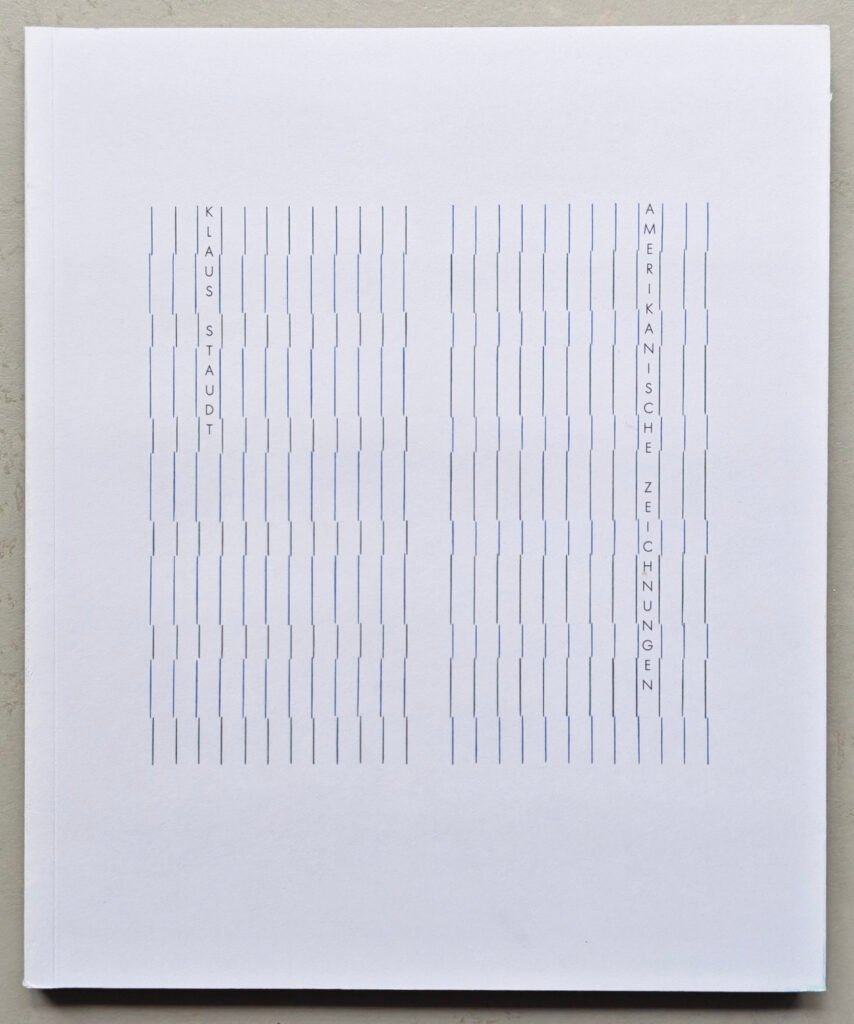
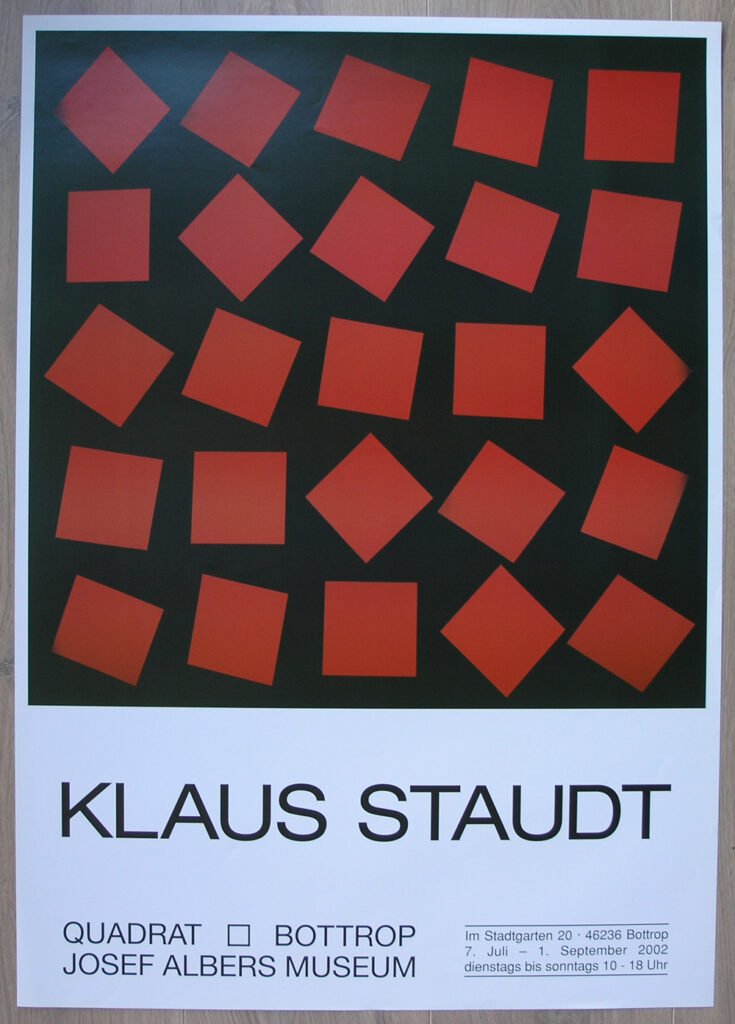
www.ftn-books.com ahs several Klaus Staudt publications now available.