Edvard Munch
Posted by wilfried van den elshout on
We all know The Scream. It’s been on coffee mugs, in horror movie parodies, and in the emoji keyboard. It’s so famous that it’s almost invisible. But strip away the pop-culture armor and stand in front of the real thing (or even a good reproduction), and something raw still cuts through from 1893. That skeletal figure against the blood-red sky isn’t just a person screaming—it’s existence itself screaming. And in that single, seismic moment, Munch drew the blueprint for the art of the century to come.
To understand why Munch matters so profoundly, you have to imagine the artistic world he was born into. The late 19th century was still largely concerned with painting the outside world—landscapes, portraits, historical scenes, all more or less faithful to what the eye sees. Even the Impressionists, for all their radical brushwork, were fundamentally chasing light on a haystack. Munch’s revolution was terrifyingly simple: he turned the gaze inward. He declared, with every brushstroke, that the most dramatic, valid, and universal subject for art was not a mountain or a god or a king—it was the turbulent, anxious, ecstatic, and fragile interior of a single human psyche.
“I do not paint what I see,” he wrote, “but what I saw.”
That’s the key. He wasn’t documenting a sunset; he was documenting the feeling of a panic attack while walking with friends at sunset. He understood that memory and emotion distort. They make the sky run like blood and sound ripple through the air. This wasn’t just a stylistic choice; it was a philosophical earthquake. It liberated art from the tyranny of the objective. After Munch, a tree didn’t have to be brown and green; it could be the colour of grief. A face didn’t need a realistic likeness; it needed to convey the weight of melancholy.
This is why Munch is the true godfather of Expressionism, and by extension, so much of modern art’s DNA. The German Expressionists—groups like Die Brücke—took his psychological intensity and cranked it up with even more violent colour and distortion, aiming to shake a complacent society awake. But his shadow reaches much further. You can draw a straight line from his litographic, repetitive, ghostly figures to the existential anxiety of Francis Bacon’s screaming popes. You can feel his desire to depict raw, universal emotion stripped of anecdotal detail in Rothko’s floating fields of colour. When a modern artist uses a distorted form not to impress you with their skill but to make you feel their subject’s truth, they are walking through a door Munch kicked open.
He also understood, perhaps before any other painter, that a work of art is not a singular, done-and-dusted masterpiece. It’s an obsession. He created his Frieze of Life, a constantly evolving series of paintings on love, anxiety, and death, which he would rearrange depending on the exhibition space. This idea—that a theme is a lifelong, iterative project rather than a single statement—foreshadows the serial practices of everyone from Monet’s cathedral fronts to Gerhard Richter’s ongoing painterly investigations. Munch saw his work as a living, breathing diary of his soul, not a collection of trophies.
So next time you see that screaming figure on a novelty sock, spare a thought for the real scandal Munch caused. It wasn’t a scandal of ugliness. It was the scandal of radical honesty. He showed us, without flinching, that the modern human condition was one of deep, often beautiful, neurosis. He gave artists permission to stop looking at the world and start looking at what the world does to them. In that brave, vulnerable leap, he didn’t just change painting. He defined the primary color of the modern soul, and we’ve been painting with it ever since.
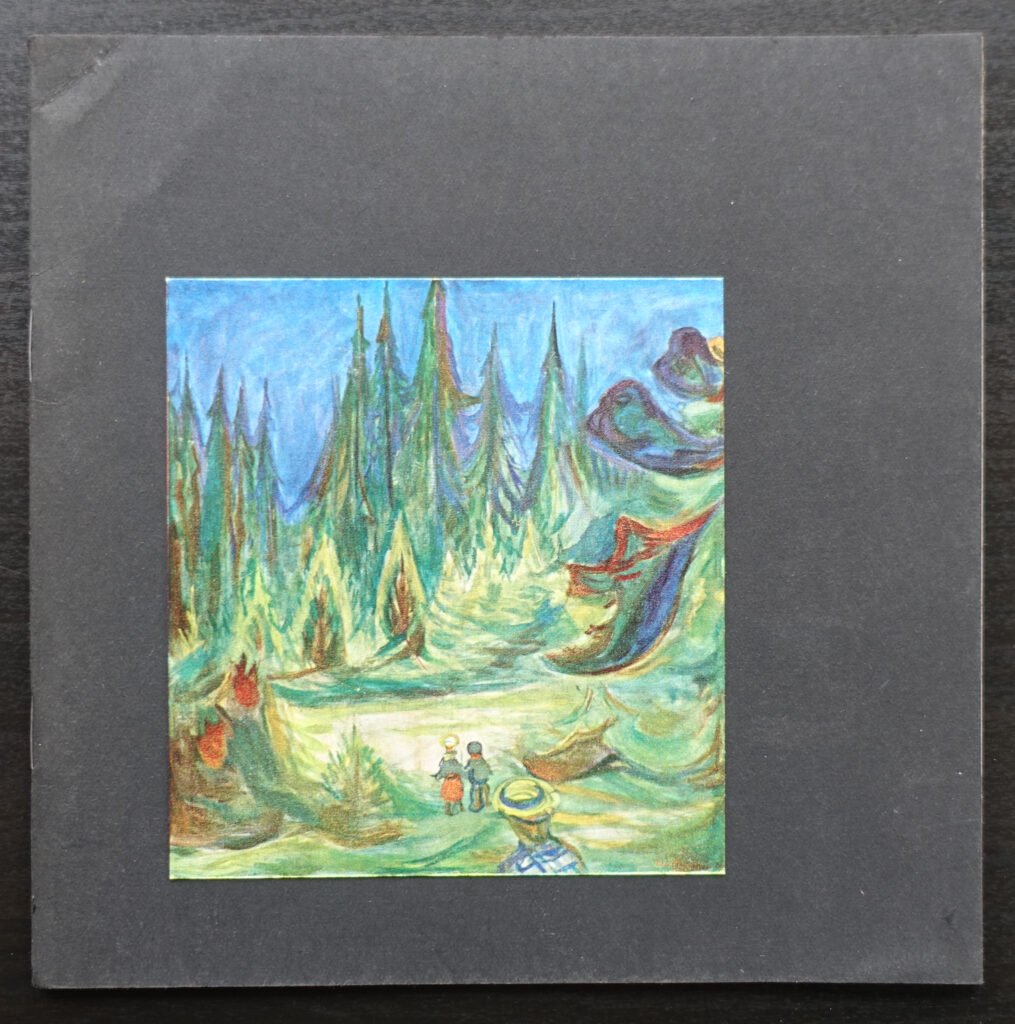
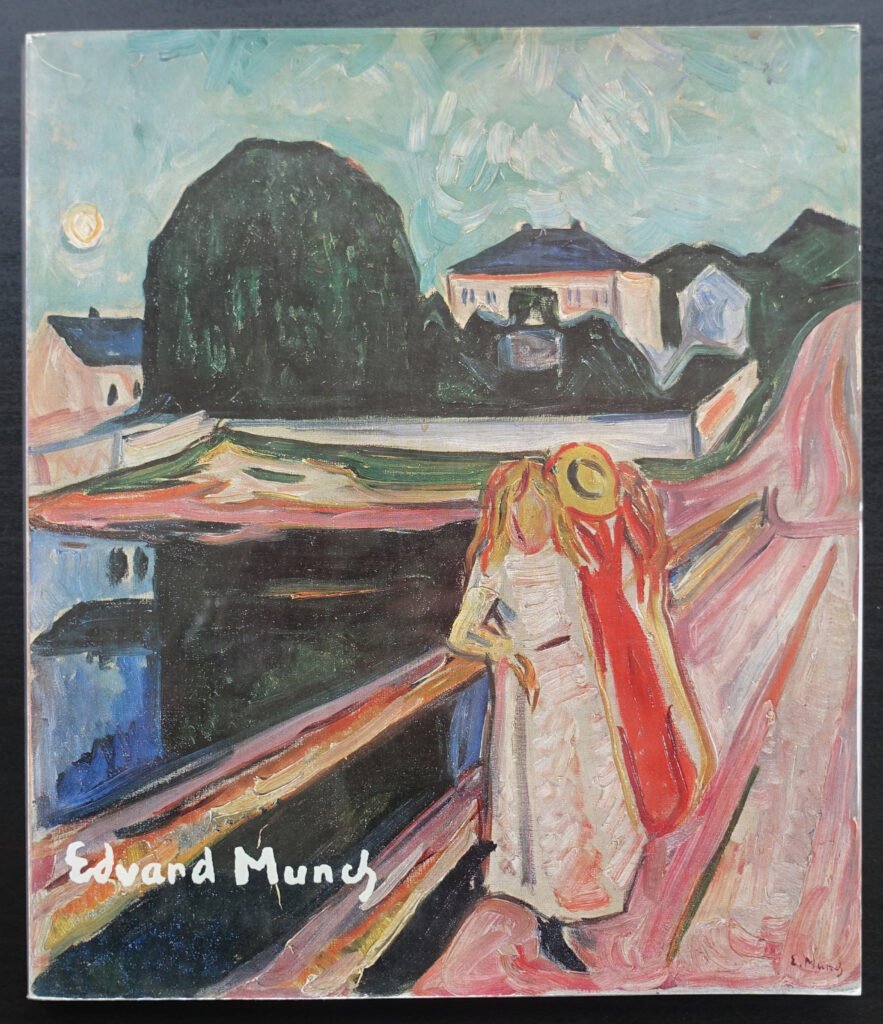
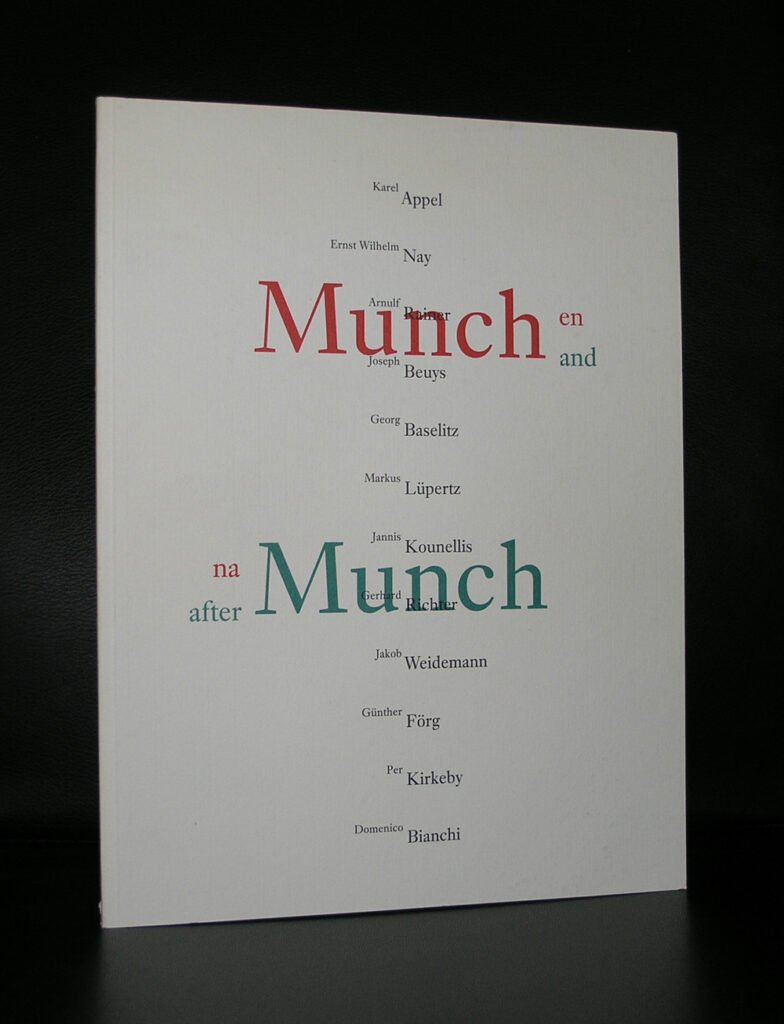
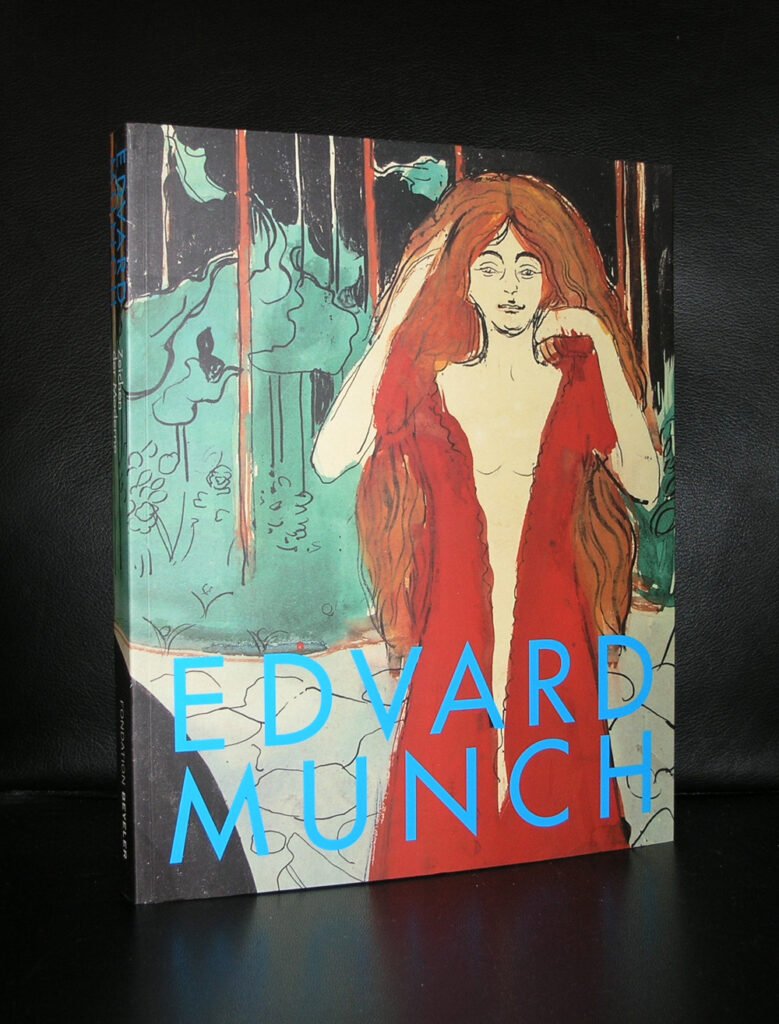
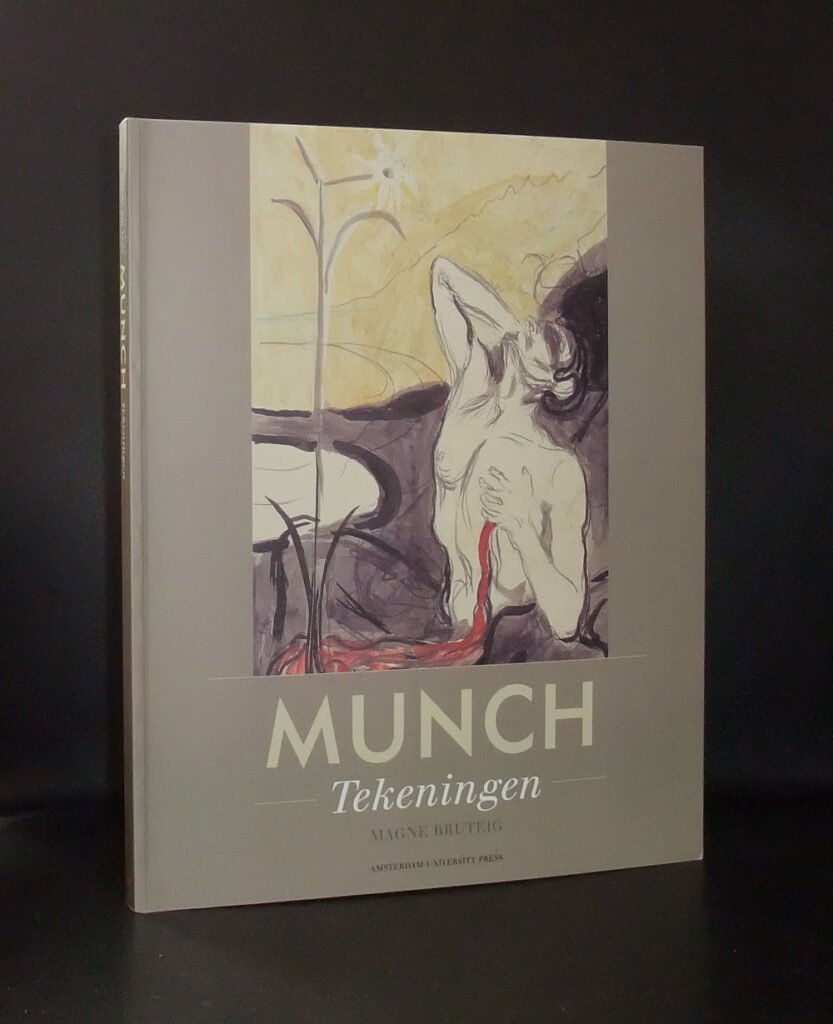
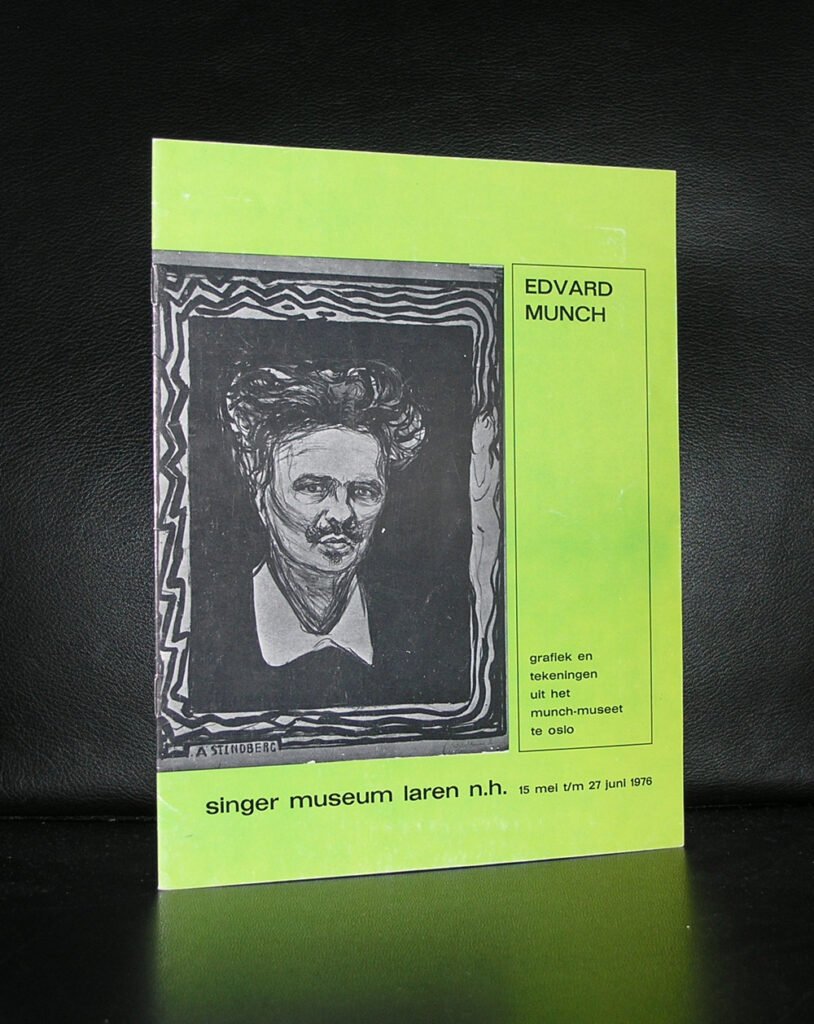
www.ftn-books.com holds several Munch titles in its inventory.
Share this post
- Tags: Edvard Munch, scandinavia, the scream