Joost Swarte
Posted by wilfried van den elshout on
If you had to name the single Dutch artist who quietly shaped how the world reads, draws, and even builds things, Joost Swarte deserves to be near the top of that list. He's not a household name outside comics and design circles, but his fingerprints are on far more of visual culture than most people realize and that's exactly what makes him important.
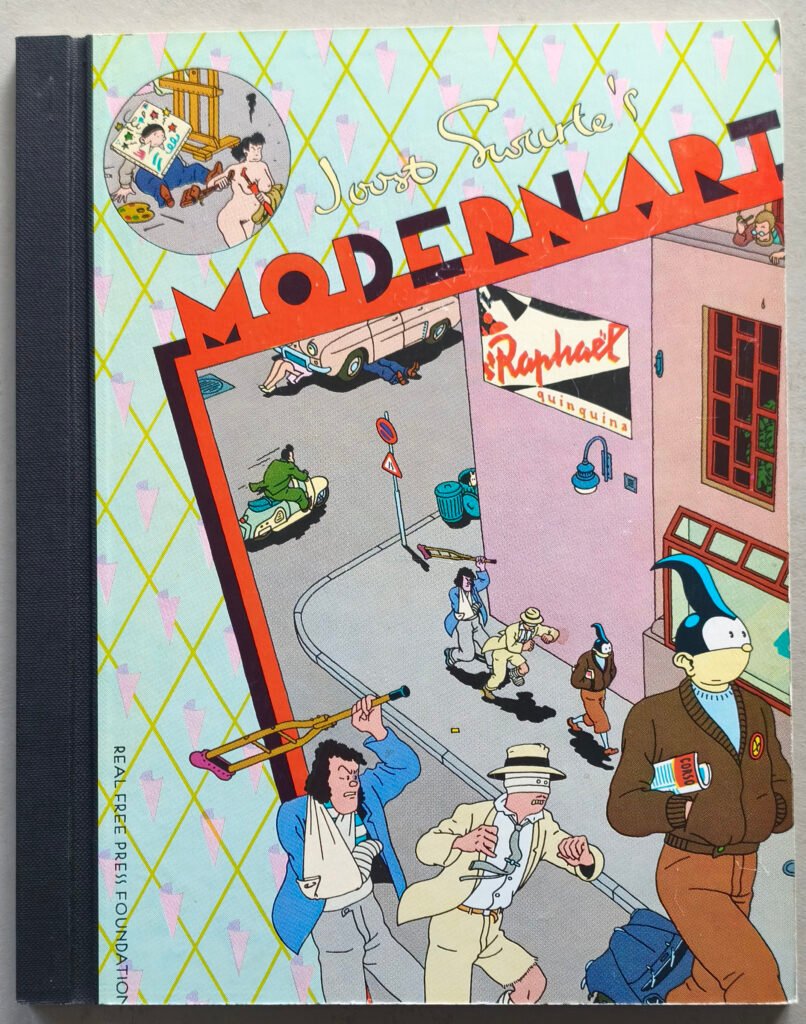
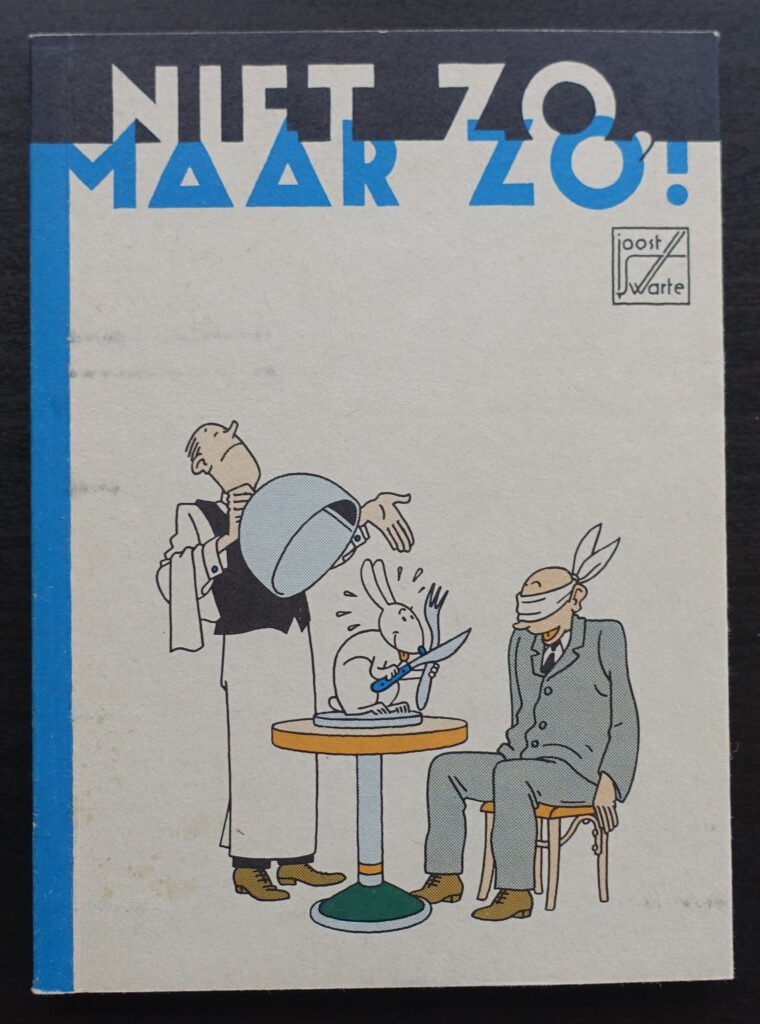
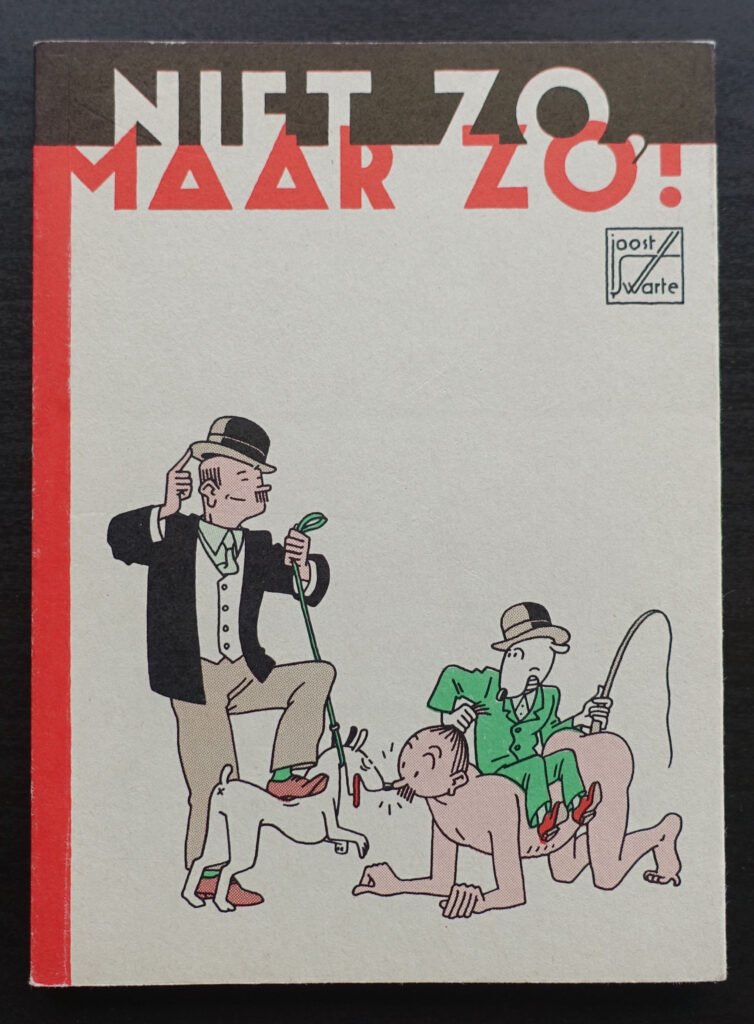
In 1977, Swarte coined the term "ligne claire" , clear line , to describe the drawing style pioneered by Hergé, using strong, even-weight outlines, minimal hatching, flat color, and cartoon characters set against realistically rendered backgrounds. That single act of naming did something remarkable: it turned a loose stylistic tendency into a recognized artistic language, one that curators, historians, and cartoonists could actually talk about. The style went on to influence generations of artists across Europe, from the Brussels school to a French revival in the 1980s. Few artists get to define the vocabulary their entire field uses to describe itself. Swarte did.
Swarte studied industrial design in Eindhoven before drifting into comics in the late 1960s, launching his own magazine Modern Papier in 1971 and building a body of recurring characters and strips. His international breakthrough came around 1980, when he appeared at the Salon International de la Bande Dessinée in Angoulême, and his work has since been translated into English, French, Spanish, Italian, and German. At a time when comics were still fighting for legitimacy as an art form, Swarte's precise, design-conscious line work made a strong case that a comic panel could hold the same visual discipline as a poster or a stained-glass window and often did.
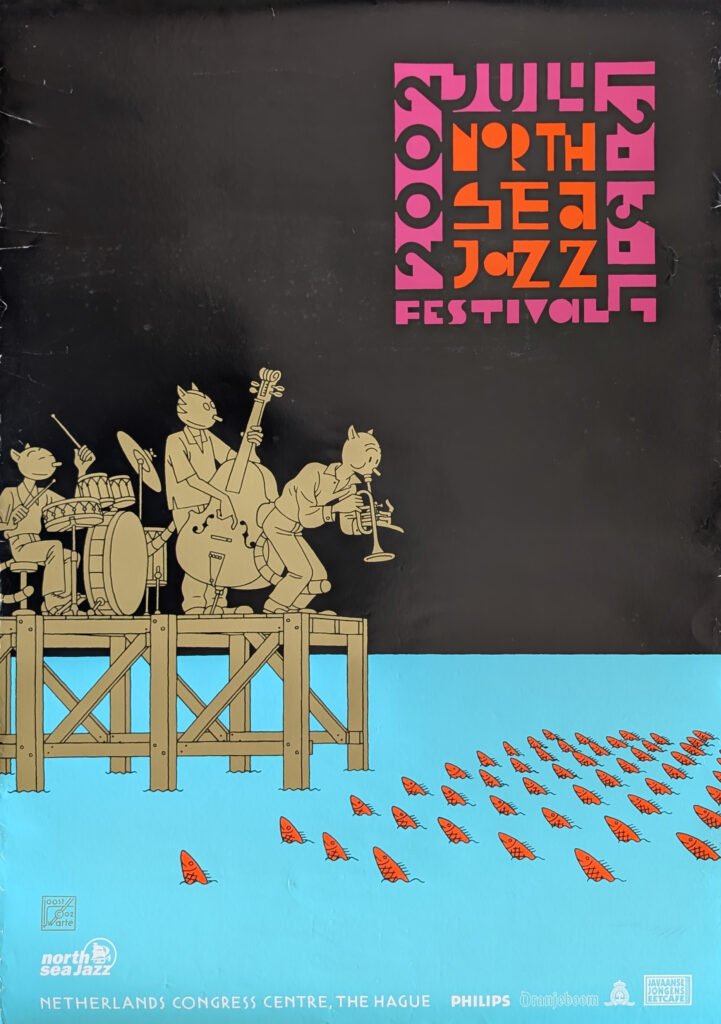
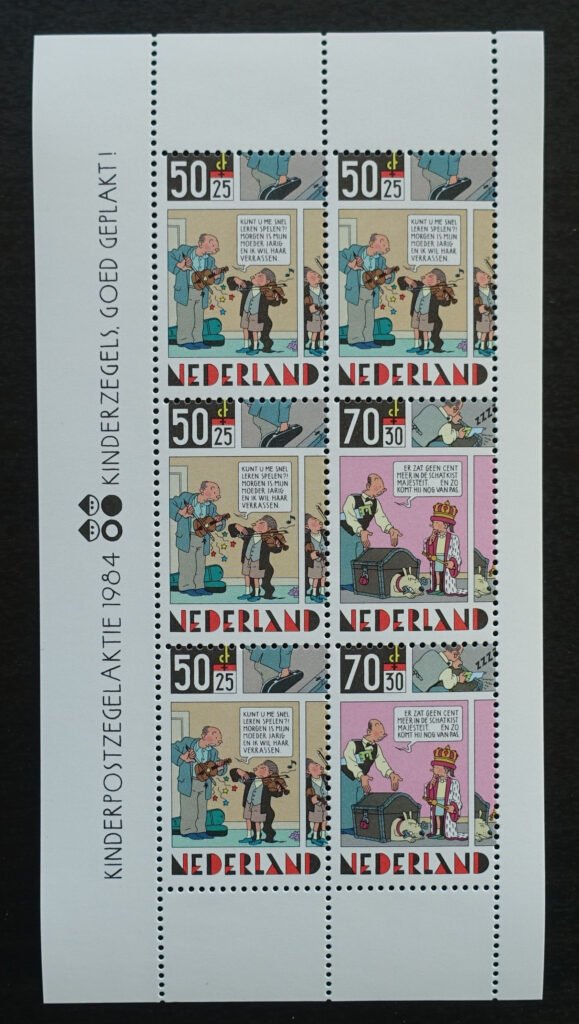
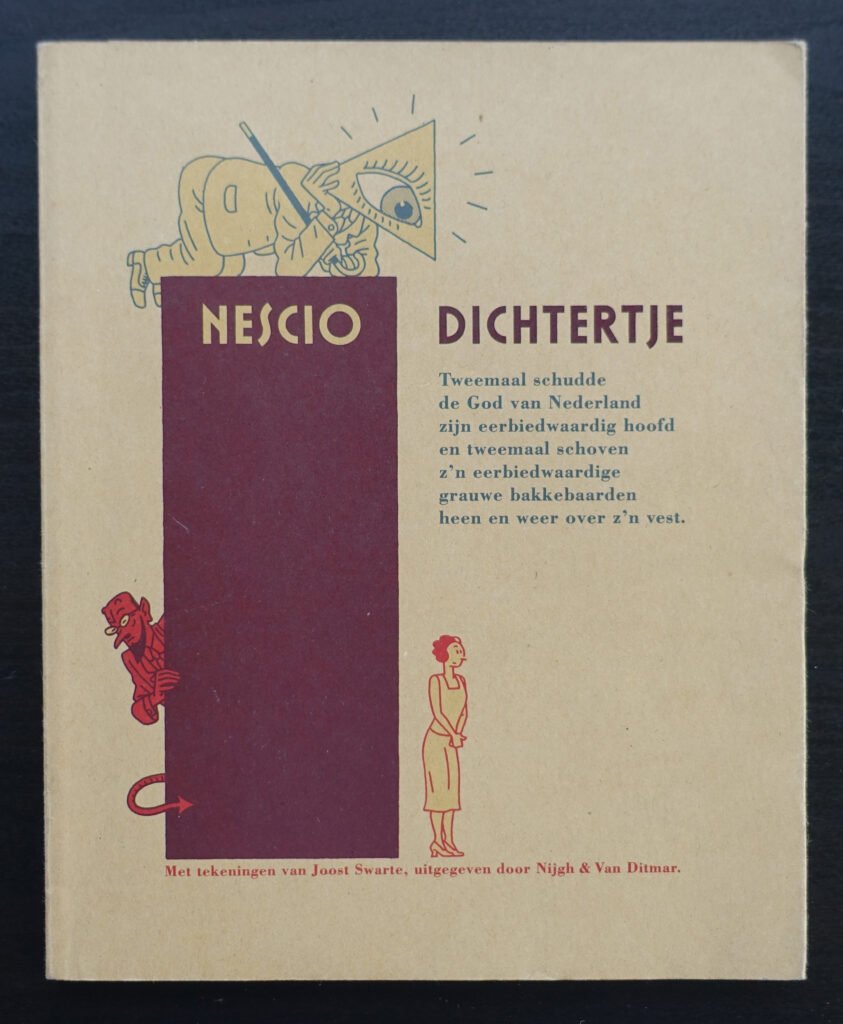
What really sets Swarte apart from most cartoonists is how far he let the same visual logic travel. Beyond comics, illustrations, and posters, his output includes stained-glass windows, typefaces, objects, eyewear, furniture, and architecture, all carrying the same bold, geometric clarity and dry sense of irony. That range comes directly from his design training , he has pointed to De Stijl, Bauhaus, Streamline Moderne, and Memphis as reference points he returns to with real enthusiasm. This is a distinctly Dutch inheritance: the same impulse toward geometric rigor and functional clarity that runs through Rietveld and Mondrian, translated into comic strips and consumer objects instead of paintings and chairs.
Working with the architecture firm Mecanoo, Swarte designed the Toneelschuur theatre in Haarlem, and he also produced the design concept for the Hergé Museum in Louvain-la-Neuve, Belgium. It's a strange and delightful thing to see a cartoonist's hand in a public building's massing and facade, but that's the point: for Swarte, "clear line" was never just a drawing technique, it was a way of organizing space and form generally.
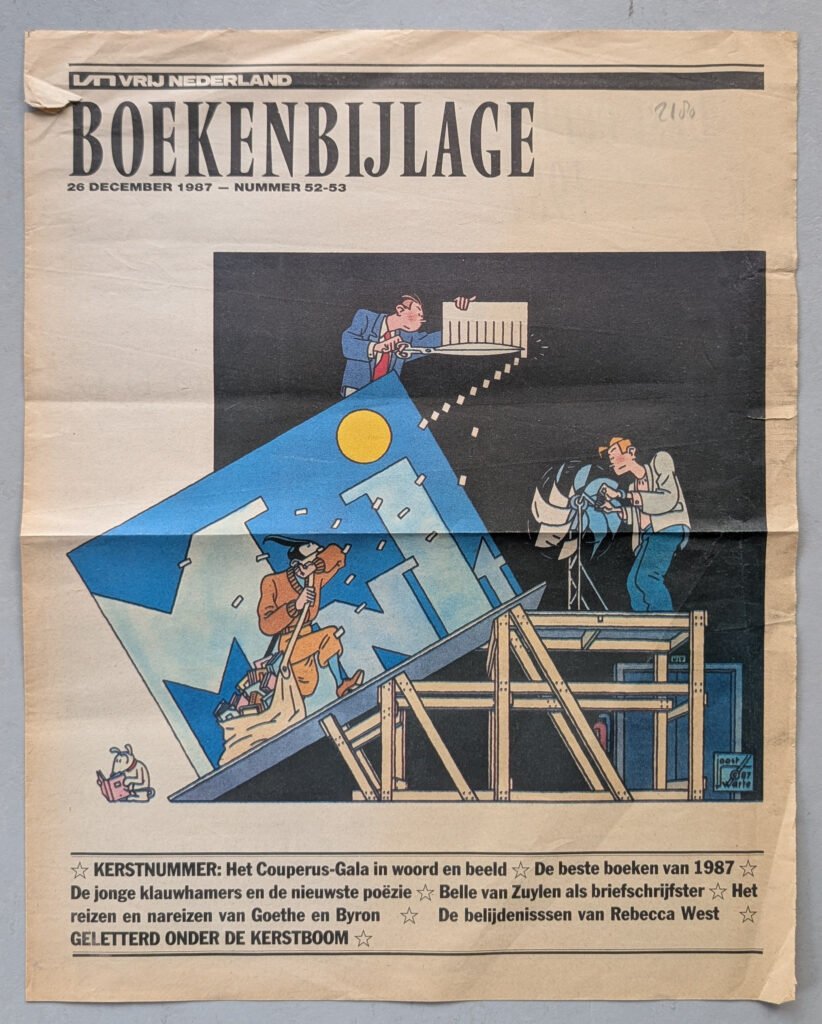
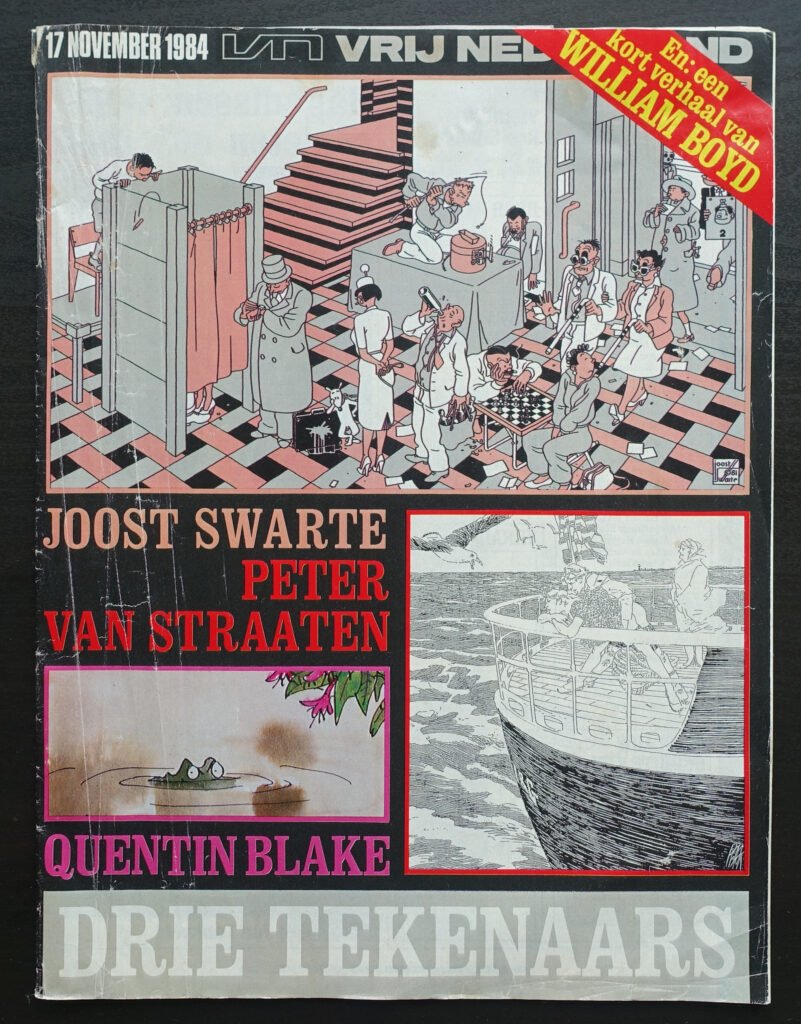
Swarte didn't just make work , he made room for the scene around him. He founded the Stripdagen Haarlem comics festival and published regularly in influential outlets like RAW and The New Yorker while running his own magazine on the side. That combination of practitioner, publisher, and event-builder is part of why the Netherlands has such a disproportionately strong comics and illustration culture relative to its size, Swarte helped build the infrastructure, not just the output. c
In 2004, Queen Beatrix made him an Officer of the Order of Orange-Nassau, and museums have treated him as a serious subject of retrospective study , the Cartoonmuseum Basel, for instance, mounted a dedicated exhibition on his career, calling him one of the most important comic artists working today with long-standing cult status especially in the Netherlands and France.
Contemporary Dutch design ,from graphic design studios to typography to product design , still carries an obsession with clarity, geometry, and a kind of deadpan wit. Swarte is one of the clearest through-lines connecting that sensibility back to the comics underground of the 1970s. He's a reminder that "high" and "low" art distinctions don't hold up well in the Netherlands: a comic strip artist can also be an architect, a stained-glass designer, and a museum's chosen curator-collaborator, all without breaking stride. For anyone trying to understand where modern Dutch visual culture gets its love of clean lines and quiet humor, Swarte isn't a footnote , he's close to the source.
www.ftn-books.com has many Joost Swarte titles available.
Share this post
- Tags: dutch comic art, swarte