Günther Förg
Posted by wilfried van den elshout on
The Quiet Blue Chip: Why Günther Förg Will Be One of the Most Valuable Artists of the Future
In the art market, value is never just about beauty. It is about art history, scarcity, institutional validation, and taste. By that measure, Günther Förg—often misspelled as Gunther Forg—is one of the most compelling candidates for major future value.
Förg, who died in 2013, was a German artist who worked across painting, photography, sculpture, and wall painting. He was part of the same post-war German generation as Martin Kippenberger, Albert Oehlen, and Sigmar Polke. But while those names have soared, Förg still feels like a quiet blue chip: historically essential, institutionally validated, and—crucially—not yet fully priced.
Here’s why he is poised to become one of the most valuable artists of the future.
Förg is not a trend. He is a central figure in post-war European art.
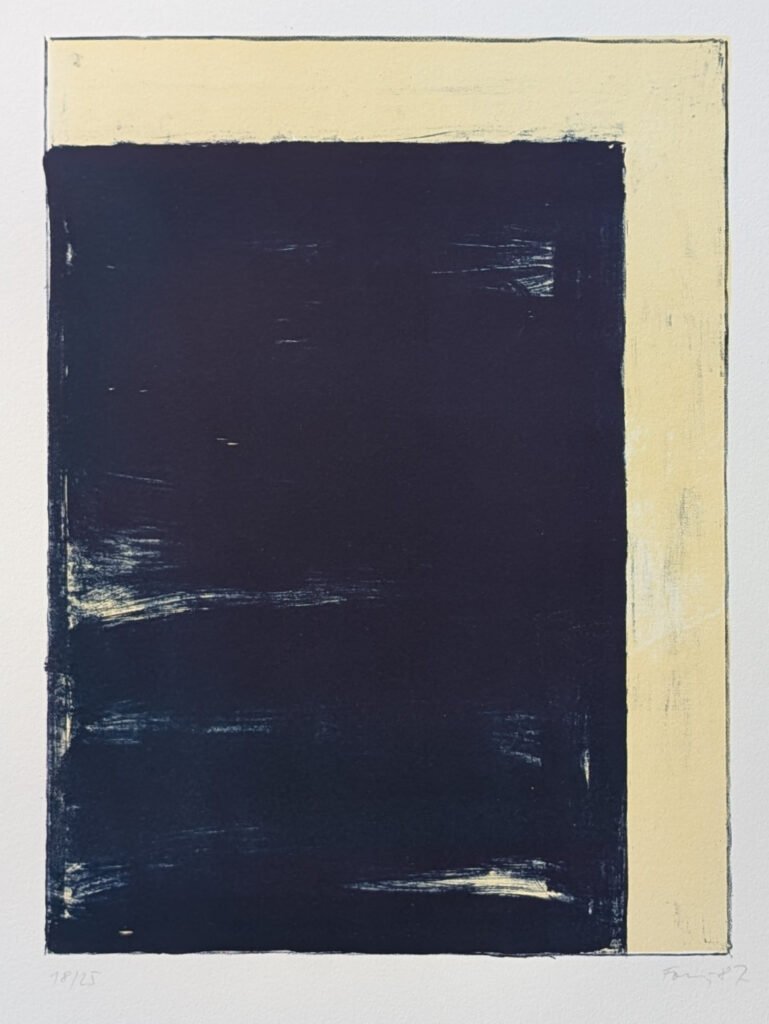
He bridged the cool, photographic objectivity of the Becher school with the language of abstraction. His photographs of modernist architecture—Mies van der Rohe, Le Corbusier, Bauhaus façades—exposed the utopian promises and failures of modernism. His paintings, especially the Gitterbilder (grid paintings), Fenster (window) works, and lead reliefs, turned that same critical eye onto the canvas.
He asked: What does a grid hide? What does a window reveal? What happens when abstraction becomes architecture? These are not just 1980s questions. They are the questions of our digital, screen-based, built environment today.
That historical depth is what museums build around. And museums build the canon.
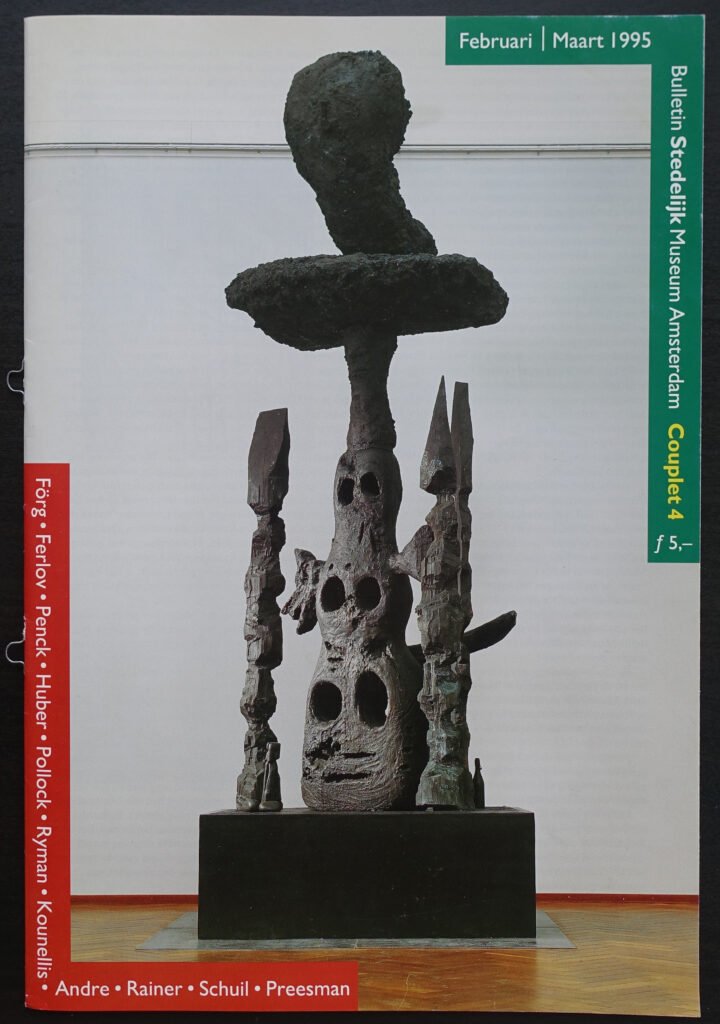
Förg’s work is in major public collections: MoMA, Tate, Centre Pompidou, Stedelijk Museum, and many others. He has had significant retrospectives, including A Fragile Beauty at the Stedelijk Museum Amsterdam and the Dallas Museum of Art. His estate has blue-chip gallery representation.
This matters. Institutional validation does not just create prestige—it creates a floor. When museums collect, publish, and exhibit an artist, they create permanent market memory. They tell future collectors: this is not optional. This is essential.
Förg died in 2013. There will be no new works. Major paintings, lead pieces, and bronzes are already in museums or important private collections. The estate controls the best remaining material.
Scarcity is the engine of value. When demand rises, supply cannot respond. The best Förg works—large grids, early lead paintings, important architectural photographs—are becoming trophies. That is exactly how a market re-rates.
Compared to Gerhard Richter, Sigmar Polke, Martin Kippenberger, or Albert Oehlen, Förg’s best works often trade at a fraction of the price. But his art-historical importance is comparable. He was in the same conversations, the same exhibitions, the same critical debates.
This is the opportunity. The art market is not always efficient. It moves in waves. Collectors who missed the first wave of German post-war art are now looking for the next tier. Förg is a prime candidate. His auction records have been reset in recent years, but not yet at the level of his reputation.
Förg’s work feels remarkably contemporary. His grids read like digital networks. His window paintings feel like screens. His photographs of modernist architecture speak to our obsession with utopia, ruins, and designed space. His use of lead, aluminum, and bronze gives the work a material weight that minimalism often lacks.
He also offers multiple entry points. You can collect a painting, a photograph, a work on paper, a bronze relief, or an edition. That breadth widens the collector base. It also makes him easier to place in both minimalist and contemporary interiors.
For years, Förg was seen as a painter’s painter. Now, scholars are re-examining his photography, his wall paintings, his politics, and his critique of modernism. New research, catalogue raisonné projects, and museum shows are deepening the narrative.
Re-evaluation is the fuel of market growth. When the story gets bigger, the prices follow. Förg’s story is still being written.
Förg was part of the legendary Cologne scene. He was friends with Kippenberger and Oehlen. He was in Documenta. He was in the Venice Biennale. As the great post-war German generation becomes fully canonized, the remaining opportunities shrink.
Collectors who cannot afford a Richter or a Polke look for artists who are historically essential but still available. Förg is exactly that. He is not a speculative young artist. He is an established, museum-validated, post-war artist whose market still has room to grow.
Art markets do not move in straight lines. They jump. A landmark show or a record auction can reprice an artist overnight. Förg has all the ingredients for that kind of jump.
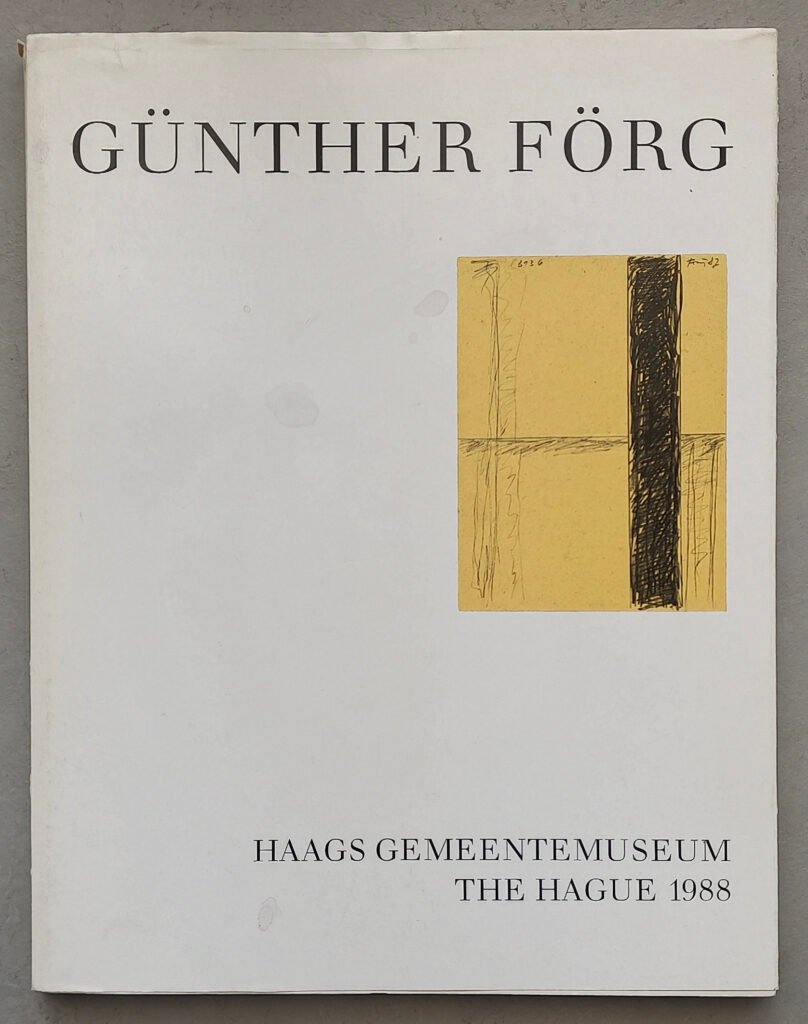
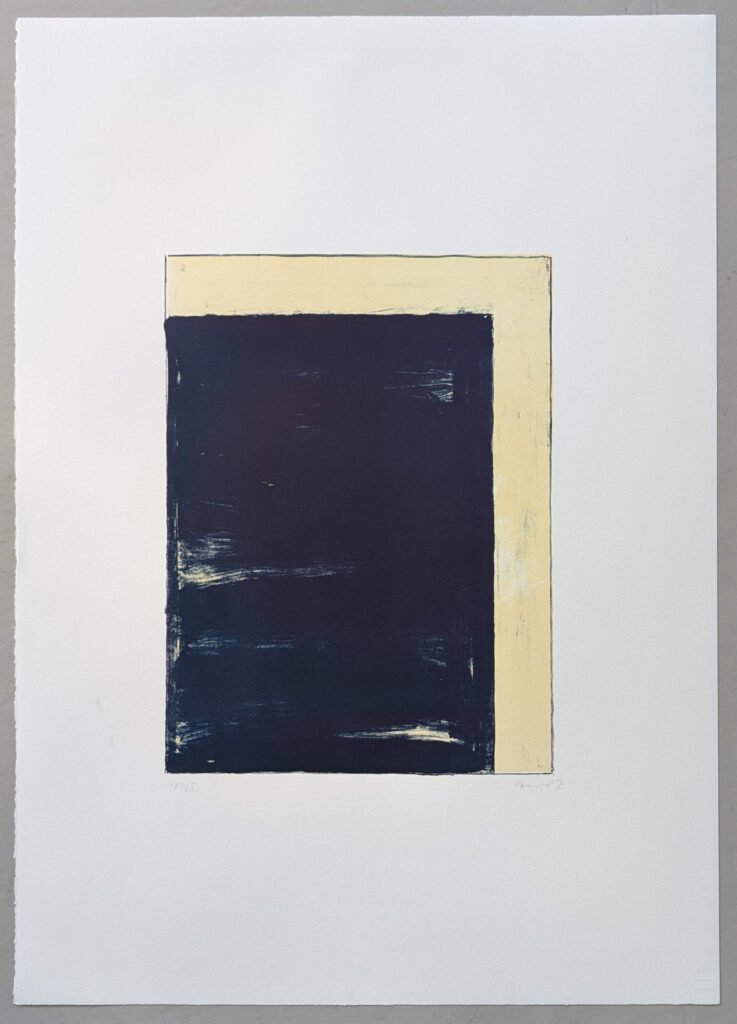
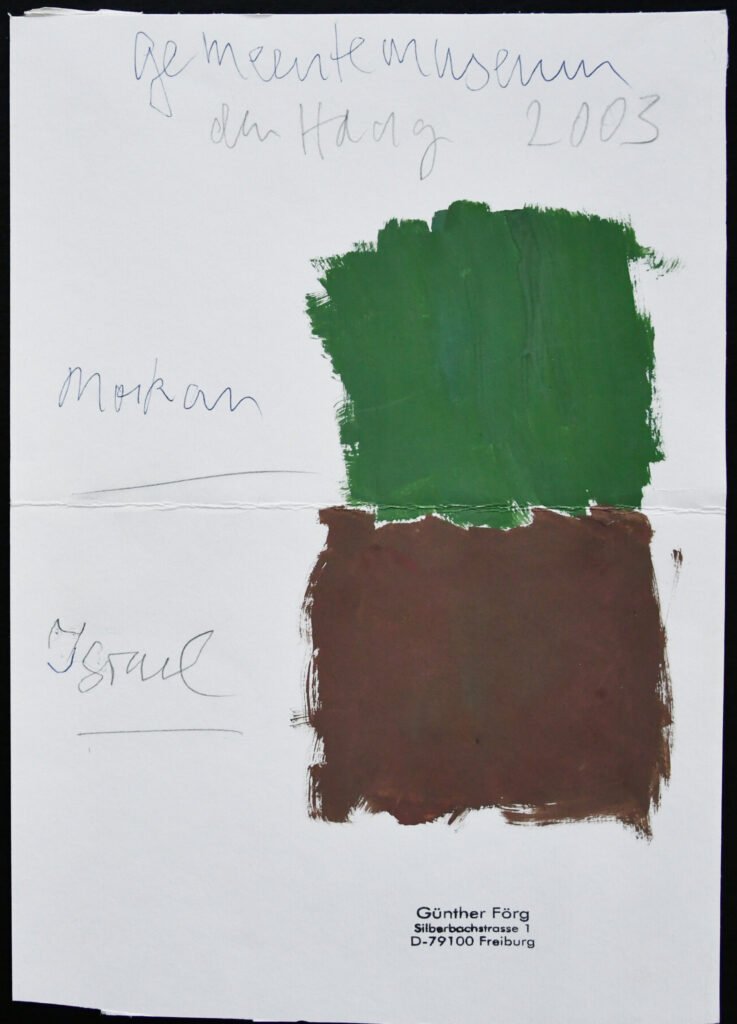
He is not just a trend. He is a blue-chip artist of the future. The quiet ones often become the most valuable. www.ftn-books.com is fortunate to have this artist in its collection with books and original lithographies
Share this post
- Tags: blue chip artist, Forg, Günther Förg