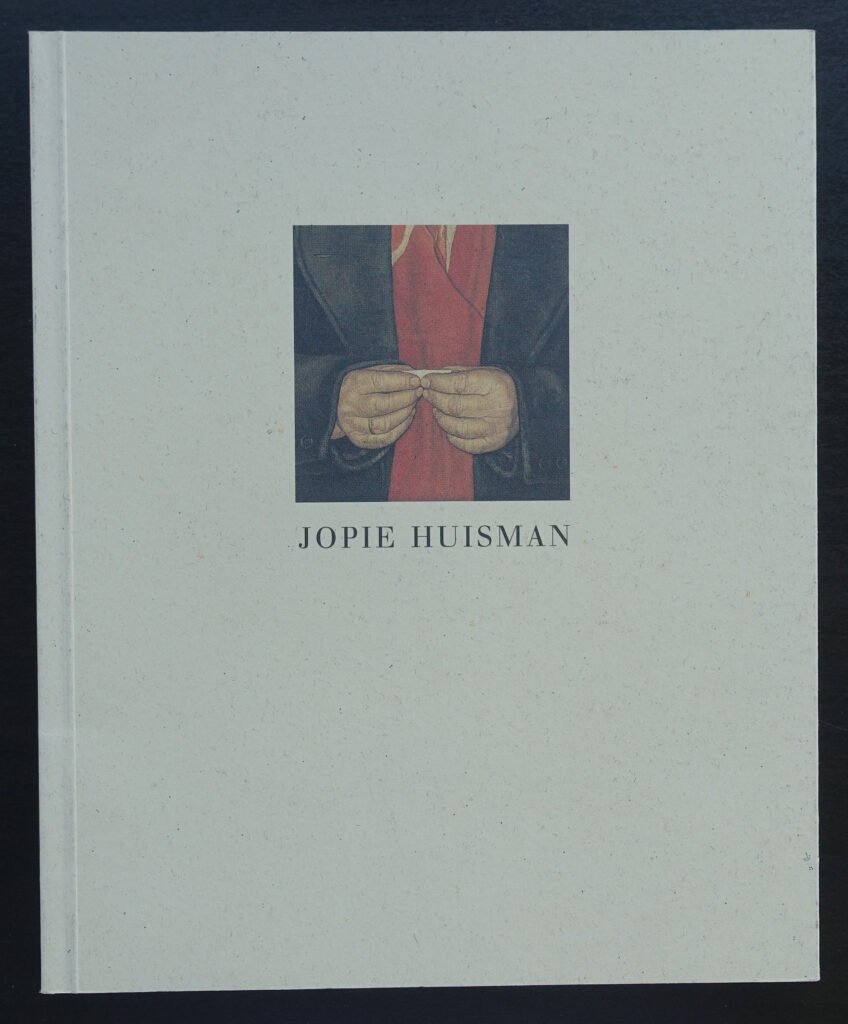
Jopie Huisman realism
Posted by wilfried van den elshout on
Jopie Huisman (1922–2000) was a Frisian painter from Workum who spent much of his life as a rag-and-bone man. That biography is not a footnote; it is the key to his art. He painted old shoes, threadbare coats, broken tools, rags, and discarded objects with the same care usually reserved for gold and silk. Under his brush, rubbish became a record of human life.
In the 20th century, when much of the art world moved toward abstraction and experiment, Huisman stayed stubbornly figurative. But his realism was not cold or academic. It was observational and deeply empathetic. He looked at a worn shoe and saw the farmer, worker, or wanderer who wore it. He painted memory, poverty, labour, and dignity.
For Dutch realistic art, Huisman matters for several reasons. First, he kept the figurative tradition alive and popular. Second, he connected it to the older Dutch still-life tradition—but turned it upside down: instead of silver and flowers, he chose the discarded and ordinary. Third, he gave realism a social conscience. His work insists that ordinary people and their belongings are worthy of art. Finally, through the Museum Jopie Huisman in Workum, he made realism part of local Frisian identity and accessible to a broad public.
His paintings are not just skillful copies of things. They are acts of attention. In a culture that often equates realism with technique alone, Huisman reminds us that the best realism is also moral: it asks us to look closely, feel deeply, and respect what others throw away. That is why he remains important for Dutch realistic art—not as a fashionable name, but as its conscience.
www.ftn-books.com has a few Huisman publications available.