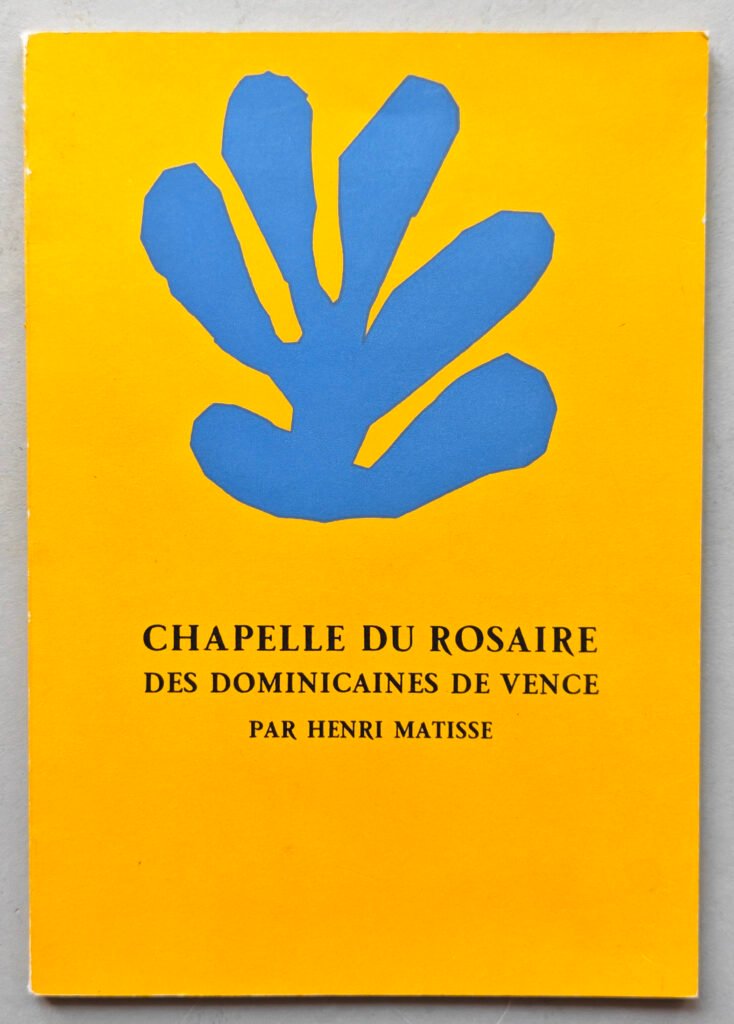
Matisse and the Chapelle du Rosaire
Posted by wilfried van den elshout on
Above the hills of Vence, a short drive inland from the Côte d'Azur, stands a small white chapel with a blue-and-white tiled roof. From the road it looks modest, but inside is the work Henri Matisse called his masterpiece, made at the very end of his life.
By the mid-1940s Matisse was in his seventies, frail after major surgery, and often working from bed or a wheelchair. He had settled in Vence, living at the Villa Le Rêve from 1943 to 1949. He was not known as a devout man, so the chapel project came about through an unexpected chain of friendship.
During his convalescence in Nice, Matisse was cared for by a young nurse, Monique Bourgeois, who also modeled for him. She later became a Dominican nun, Sister Jacques-Marie, and joined the community in Vence, which needed a new chapel. She showed Matisse her sketches for a stained-glass window, and he was drawn in. The Dominican priest Marie-Alain Couturier, a passionate advocate for bringing the best modern artists into church commissions, encouraged the idea. Work began in 1948, and the chapel was consecrated in June 1951.
Matisse took on the project with total commitment. He designed everything: the architecture's interior scheme, the stained glass, the ceramic murals, the altar, the crucifix, the candlesticks, the priests' vestments, even the spire's ironwork.
The chapel is small and simple, and almost everything is white. The effect depends on the interplay of three elements.
The windows. The stained glass uses only three colors: a deep blue, a bright green, and a lemon yellow. The designs are based on stylized plant forms, often described as a tree of life. When sunlight pours through, it throws colored light across the white walls and floor, and the room changes throughout the day. Matisse treated light itself as his material.
The murals. The walls carry large compositions in black line on white ceramic tile. Saint Dominic, the order's founder, is drawn with a few confident strokes. The Virgin and Child is just as spare. Across the back wall, the Stations of the Cross run together as one continuous, restless composition rather than fourteen separate scenes. Matisse worked these drawings at huge scale, reportedly using a long pole with charcoal fixed to the end so he could draw while seated.
The contrast. The black lines are bold and almost raw, the walls are blank, and the colored light moves across them. Together they produce a calm that is intense but never heavy.
Matisse regarded the chapel as the culmination of his life's work. He is quoted as saying that, despite its imperfections, he considered it his masterpiece, the result of a lifetime of searching. He had spent decades pursuing color, line, and balance in painting, and in the final years, with his famous paper cut-outs and then the chapel, he found a way to unite them.
He also hoped that people entering the space would feel lighter, relieved of their burdens. That goal, more than any doctrine, shaped the design. Whatever his own beliefs, he understood that a sacred space is partly an emotional experience, and he built one around joy and serenity rather than awe or fear.
Matisse was too unwell to attend the consecration. He died in Nice in 1954, only a few years after it was completed.
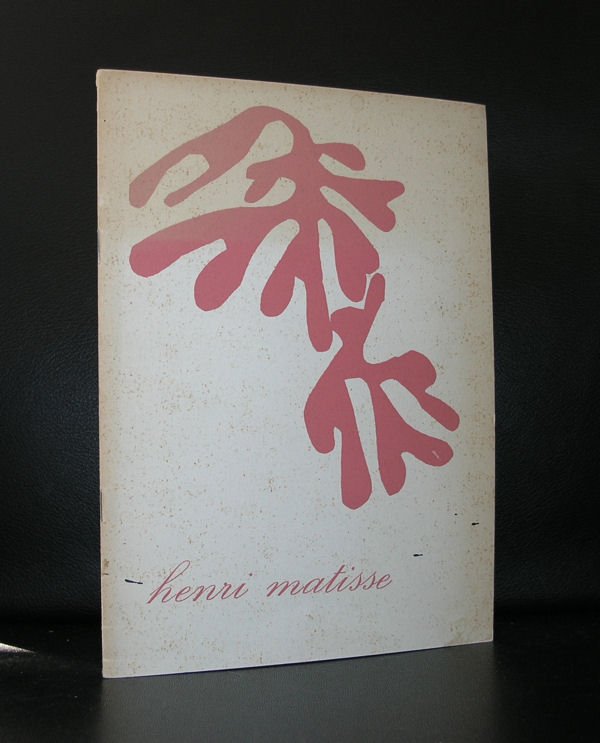
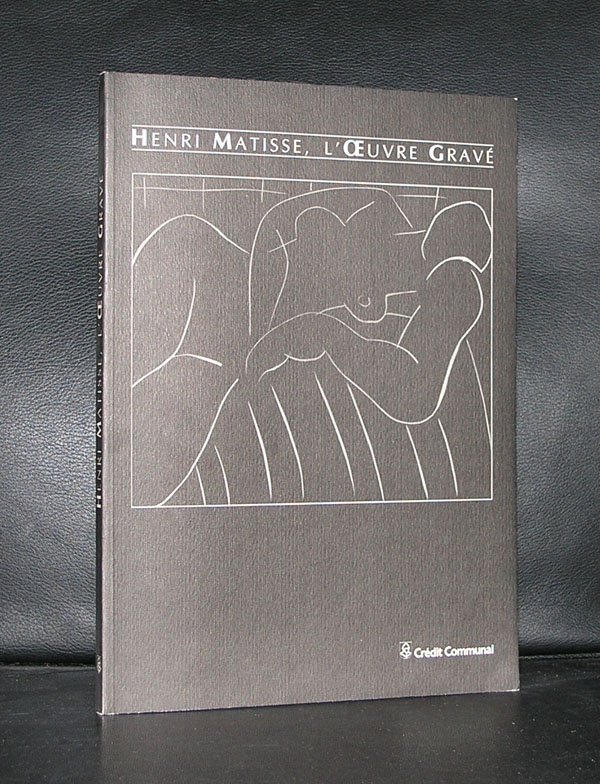
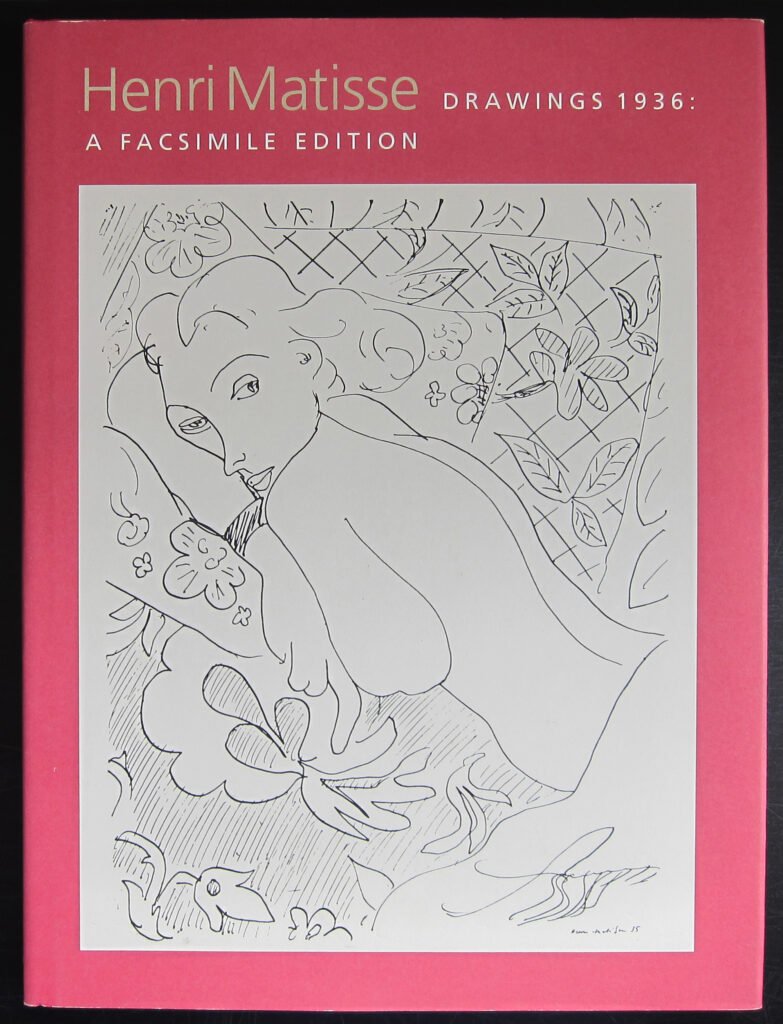
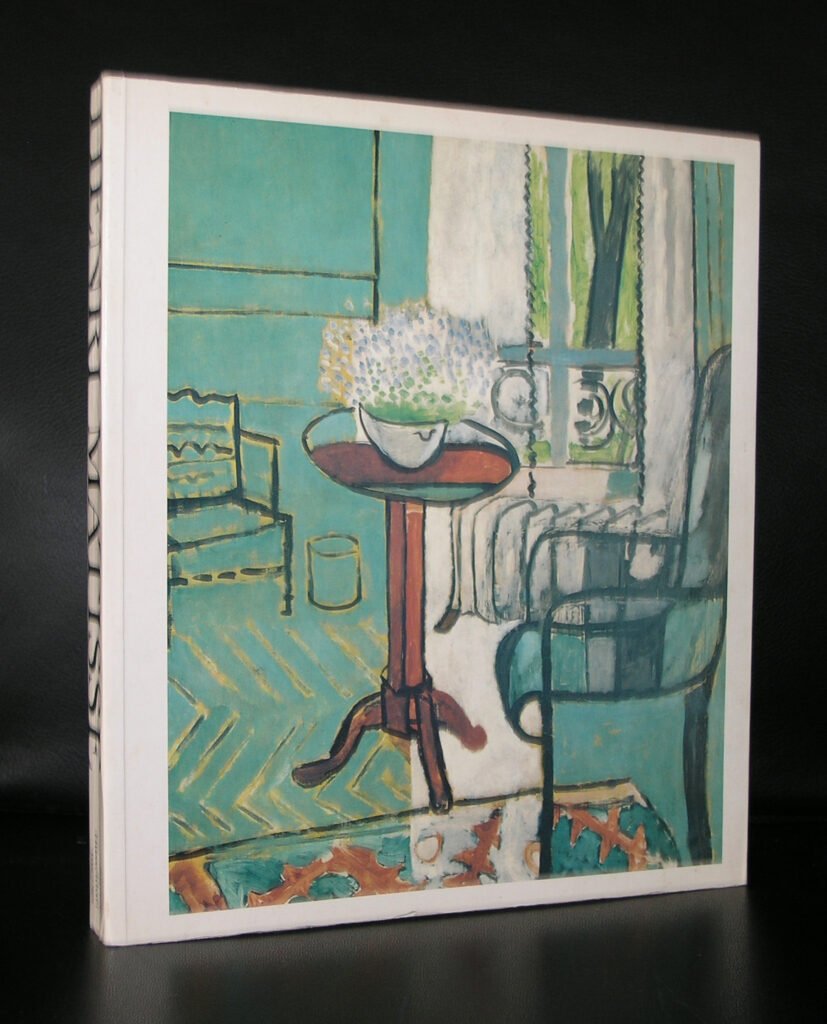
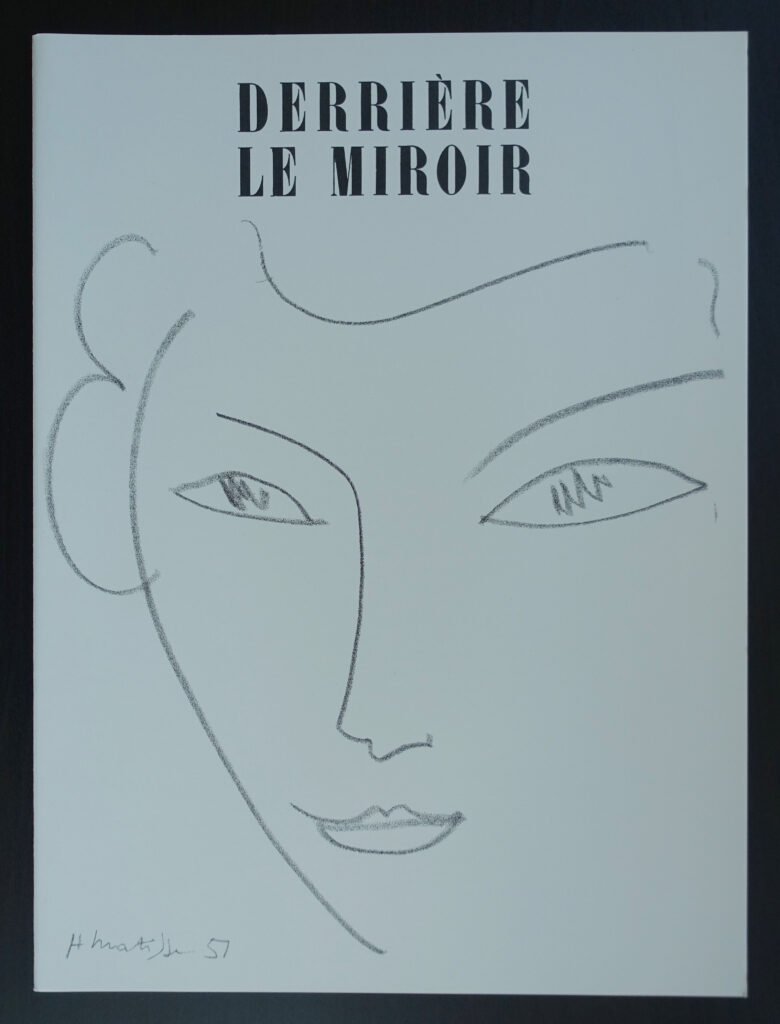
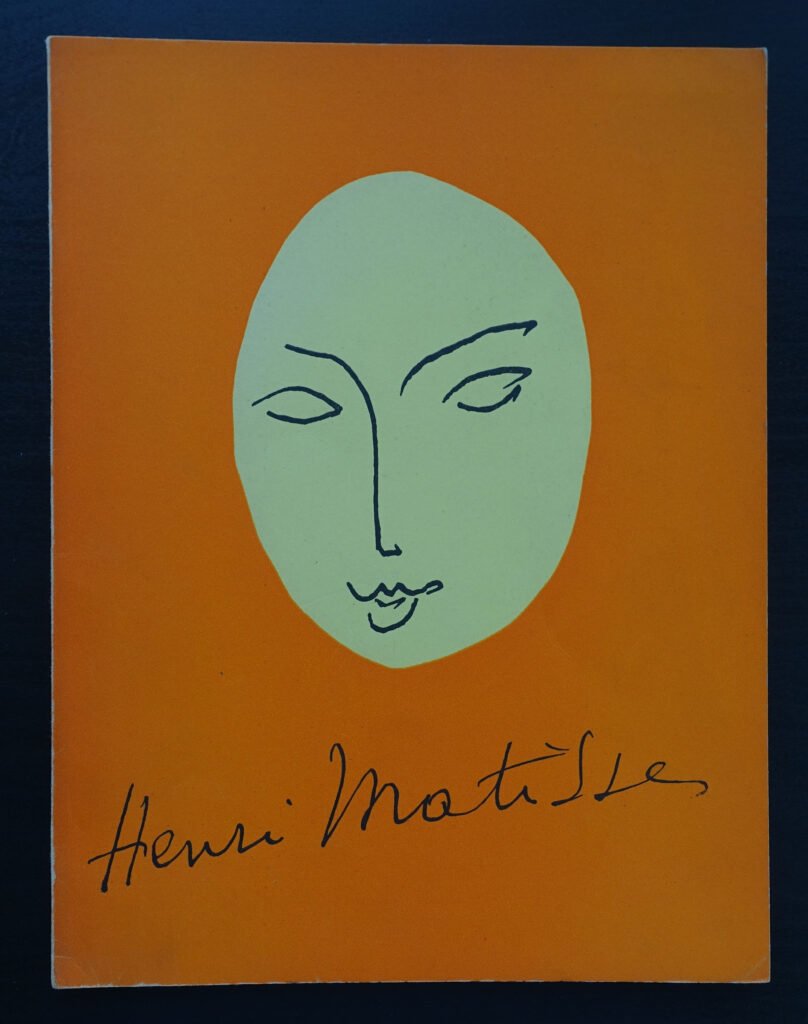
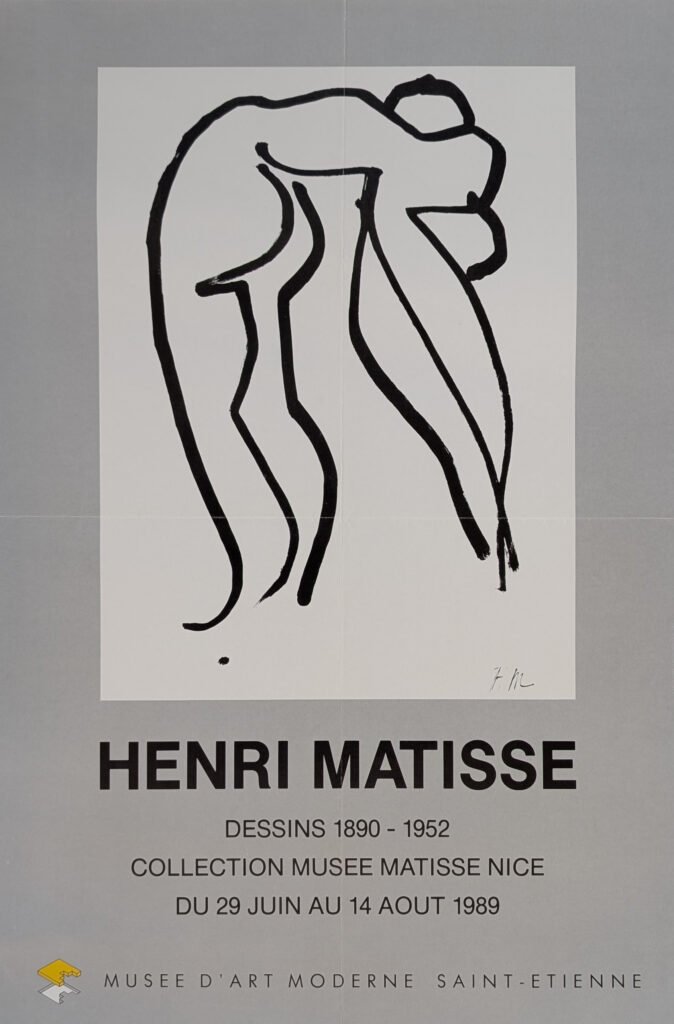
www.ftn-books.com has several publications on Matisse available including one on the Chapel.